PublishedApr 17, 2026 3:13 PM EDT
We may earn revenue from the products available on this page and participate in affiliate programs.
Sign Up for Domino's Newsletter
By signing up, you confirm you are 16+, will receive newsletters and promotional content and agree to ourTerms of Useand acknowledge the data practices in ourPrivacy Policy. You may unsubscribe at any time.
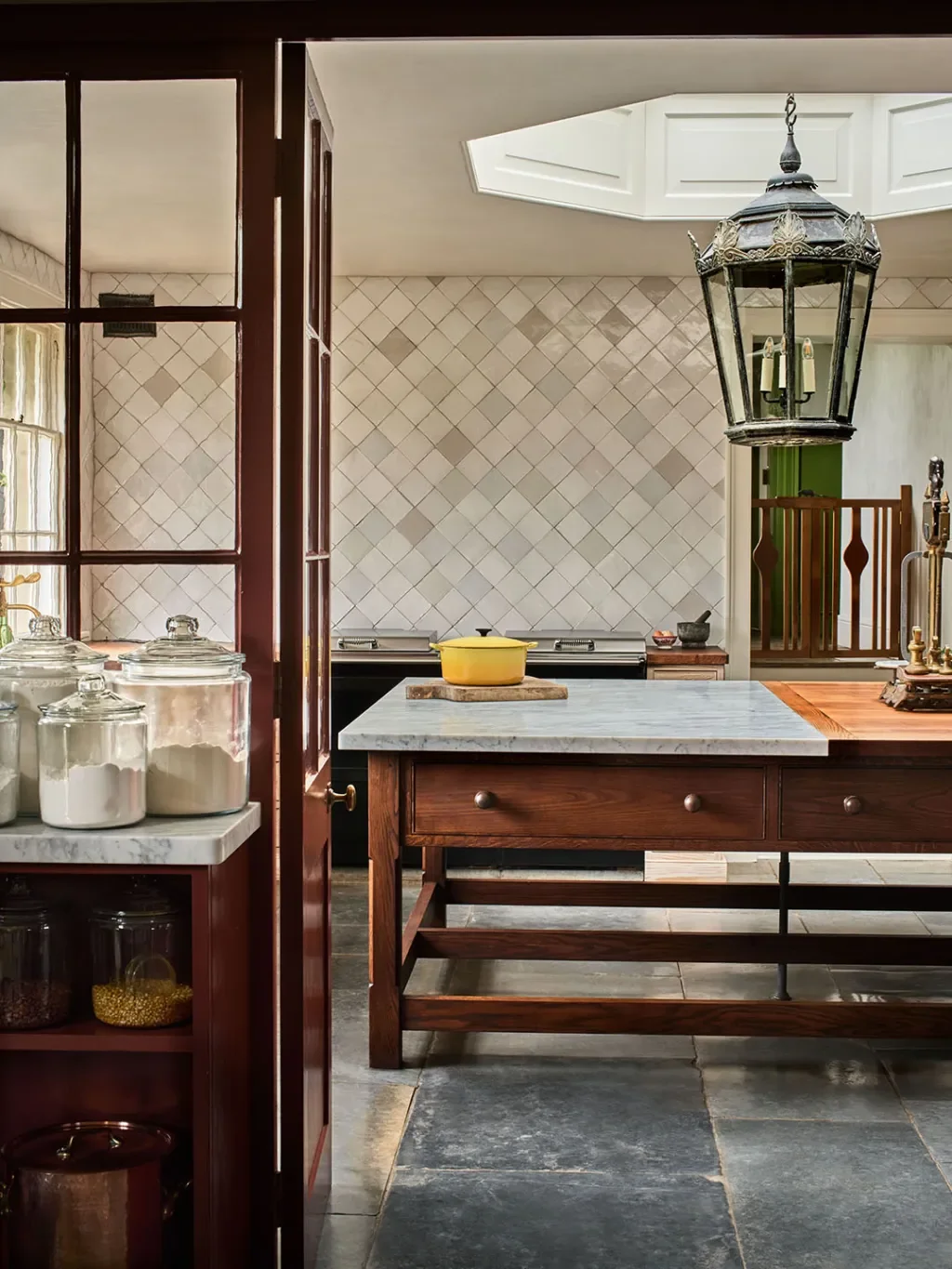
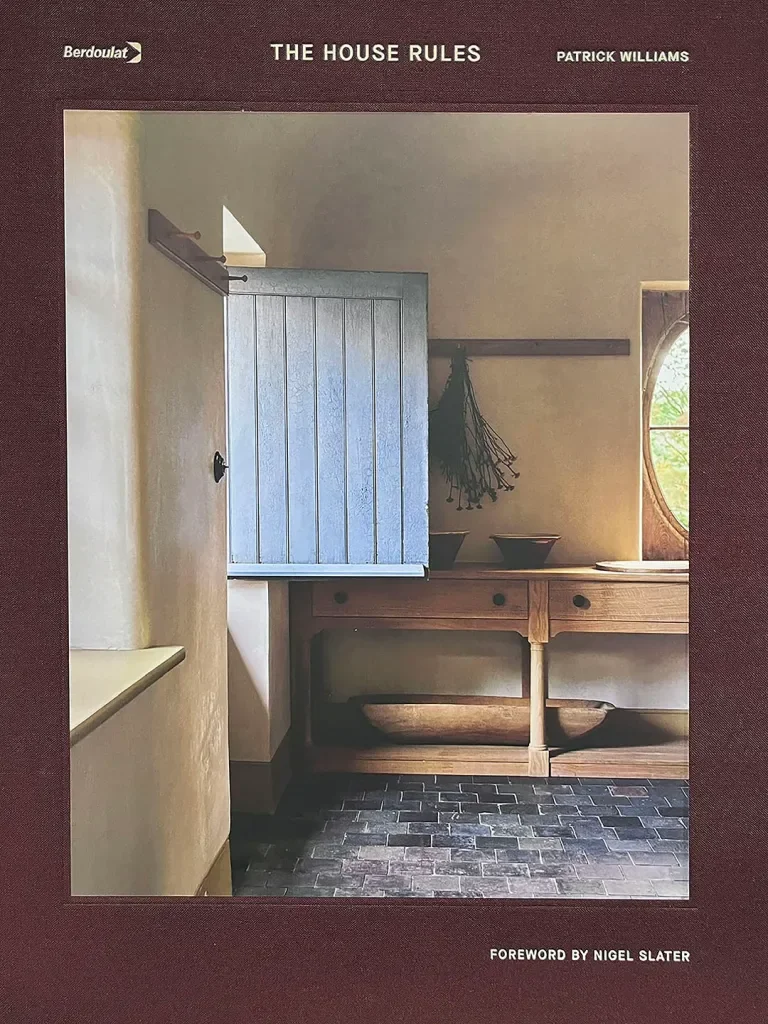
The contemporary kitchen is engineered for efficiency; every millimeter is accounted for, every utensil assigned a home. But Patrick Williams, founder of design firm Berdoulat, offers a more soulful alternative in his new book, The House Rules—one that treats the kitchen not as a system to be optimized but as a room to be inhabited. Rather than factory-produced cabinetry, Williams's interiors are composed largely of freestanding pieces. A well-worn table at the center, a capacious dresser along one wall, open shelving that feels gathered over time rather than installed in a day. The effect is understated yet profound, shifting the kitchen from something manufactured to something composed.
The House Rules encompasses far more than kitchen design, of course. It traces the origins of Williams's studio, his formative domestic memories, and his most treasured commissions. But his singular approach to freestanding kitchen furniture demanded a closer conversation.
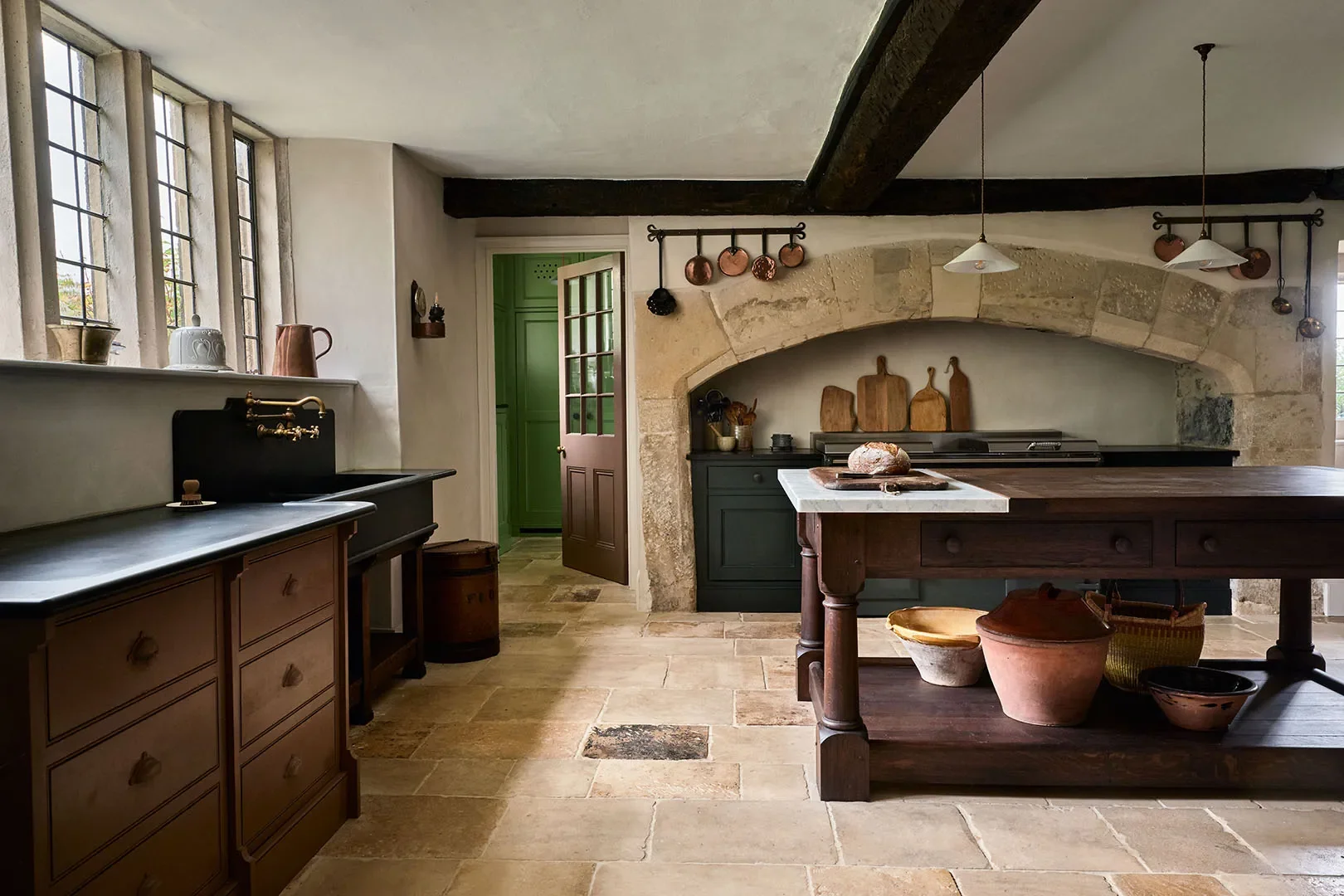
After lockdown, people began reevaluating the furniture in their homes and how their various spaces function. Not only did the appetite for open-plan layouts start shifting toward a preference for more defined, intimate rooms, but the appreciation for properly crafted, heirloom-quality furniture deepened.
Perhaps confinement made us question the status quo and aspire to something better. Perhaps we grew more aware of the importance of family connection and wanted to invest in pieces that could span generations. Perhaps we became more conscious of throwaway culture—and poorly made, mass-produced, flat-pack kitchens that last a handful of years felt increasingly wrong compared with freestanding furniture built to outlast us.
This cultural shift aligned with what Berdoulat has been practicing for two decades—an approach where kitchens are separate rooms furnished with pieces that have proper proportions, rather than proportions dictated by the appliances they contain.
We often work on properties with pantries, larders, and sculleries adjoining the main kitchen. When these ancillary spaces can shoulder the hard labor—housing appliances, chaotic food stores, and awkward pots, pans, and ice cream makers—it means the primary kitchen can breathe, furnished with proper pieces. So the monolithic island (concealing a dishwasher) can be replaced by a cook's table with an open base, allowing the floor to run uninterrupted beneath it.
When there's no auxiliary space for appliances, I try to either be completely forthright about them—"Hello, I'm a modern refrigerator"—or house them in a way that breaks their inevitably ungainly proportions. For instance, a dishwasher and pull-out bin integrated within the center section of a breakfront dresser.
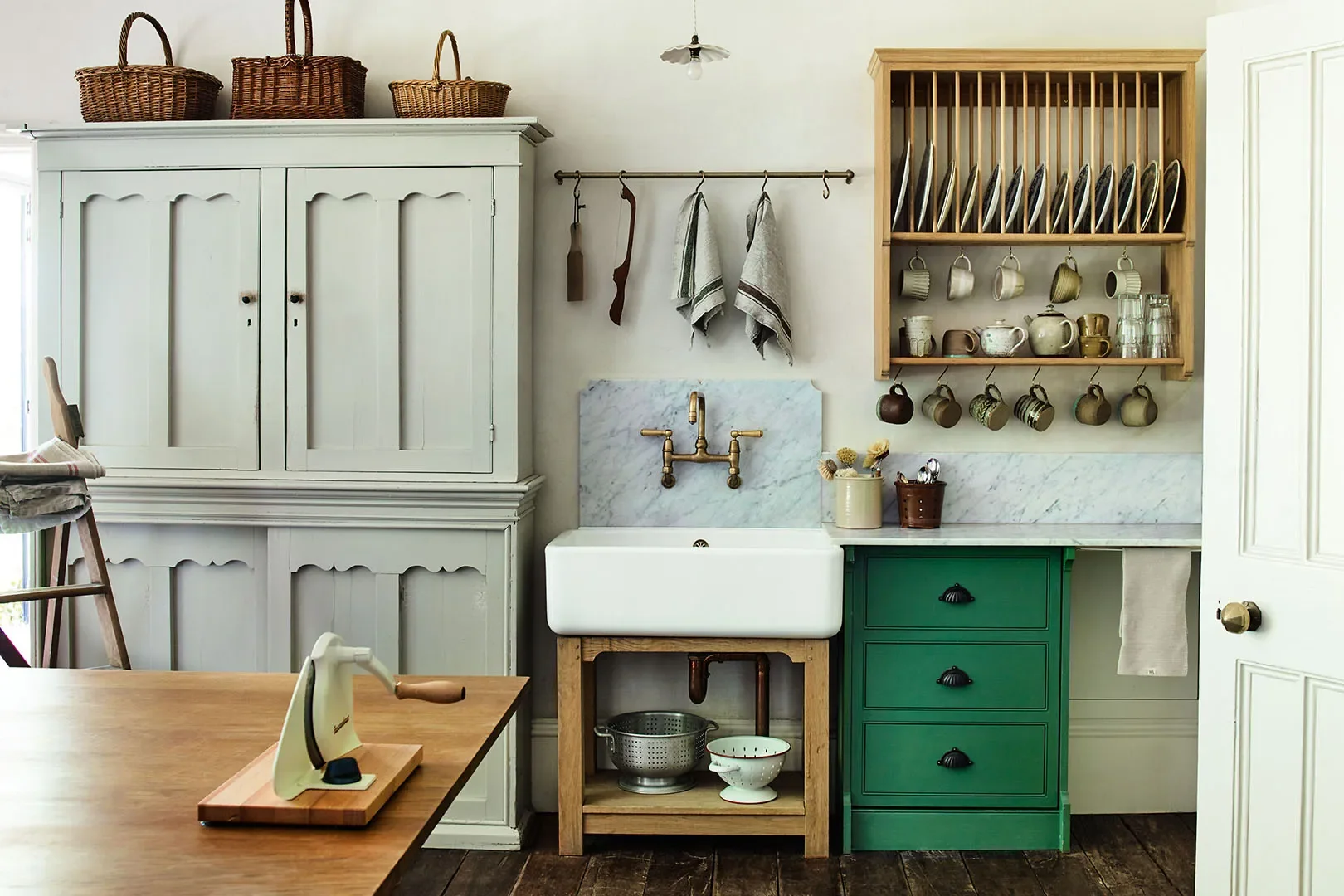
The title of my book, The House Rules, refers to our studio's guiding principle: the building is the client. Accordingly, the design of any added architectural detail or room should respond directly to its history, fabric, setting, and spirit. Honesty is paramount. Whatever is introduced, whatever work is undertaken, must be in harmony with—and appropriate for—the building. There's no place for something simply because it's "on trend." The finest spaces invariably feel as though they've always existed or have accumulated organically over time.
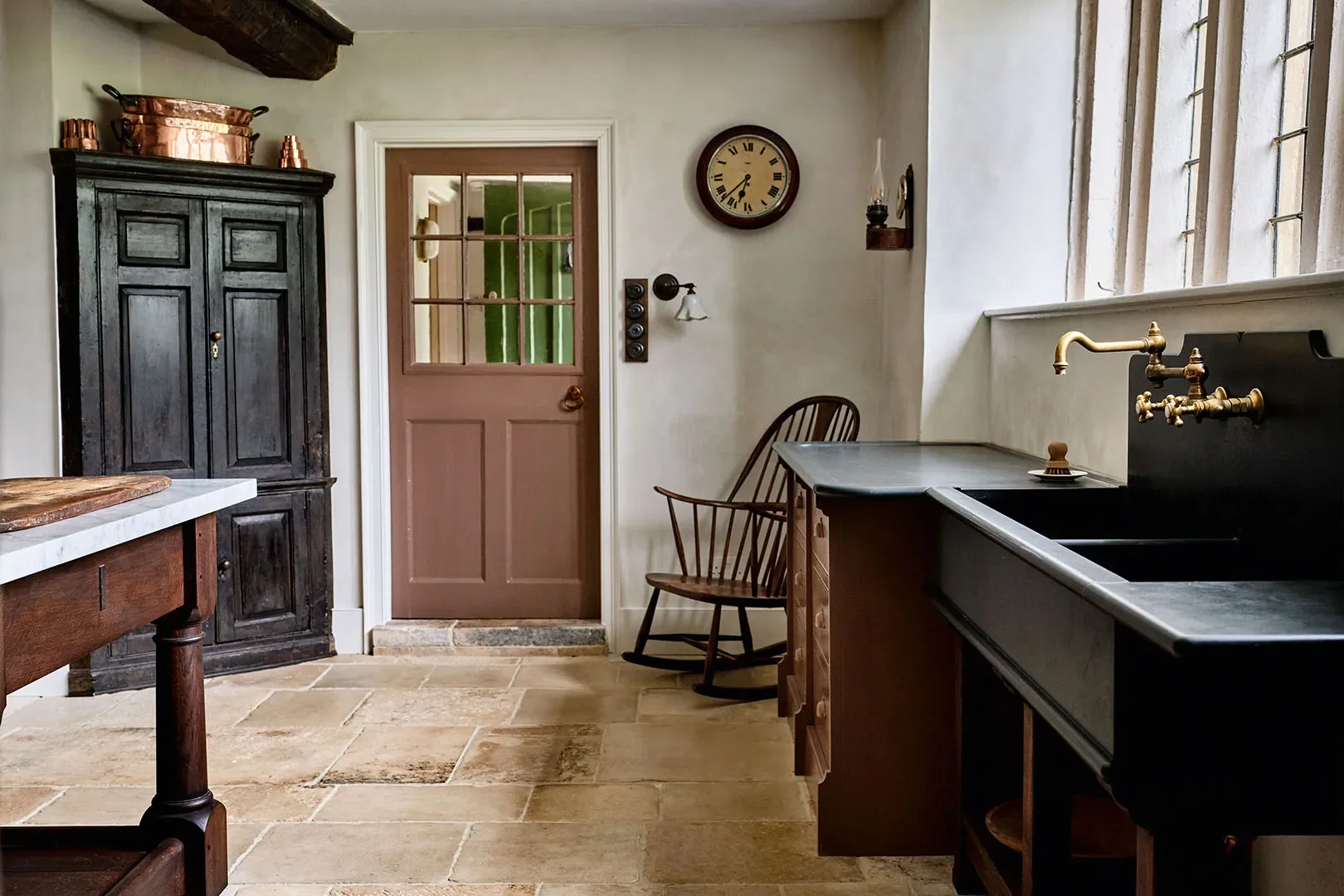
The finest bathrooms are those that feel least bathroom-like, and the same holds for kitchens. I prefer them not to feel sterile or coldly utilitarian. Naturally, you're preparing and often eating food in a kitchen, so cleanliness matters, but ultimately my favorite kitchens feel warm and inviting—furnished as you might a sitting room.
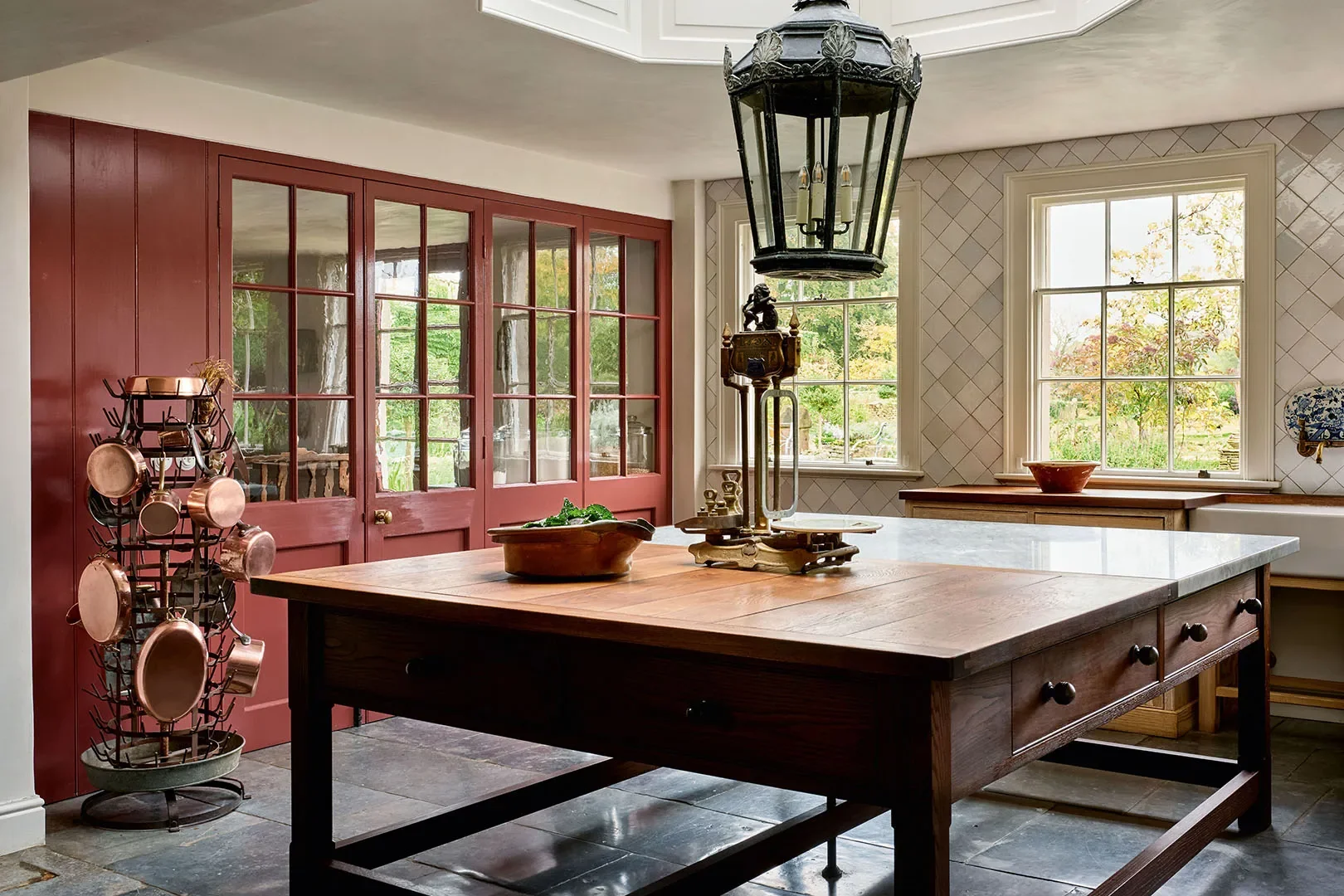
I'd argue the table is the most essential element in any kitchen. It anchors family life, it welcomes, it hosts, it reassures.
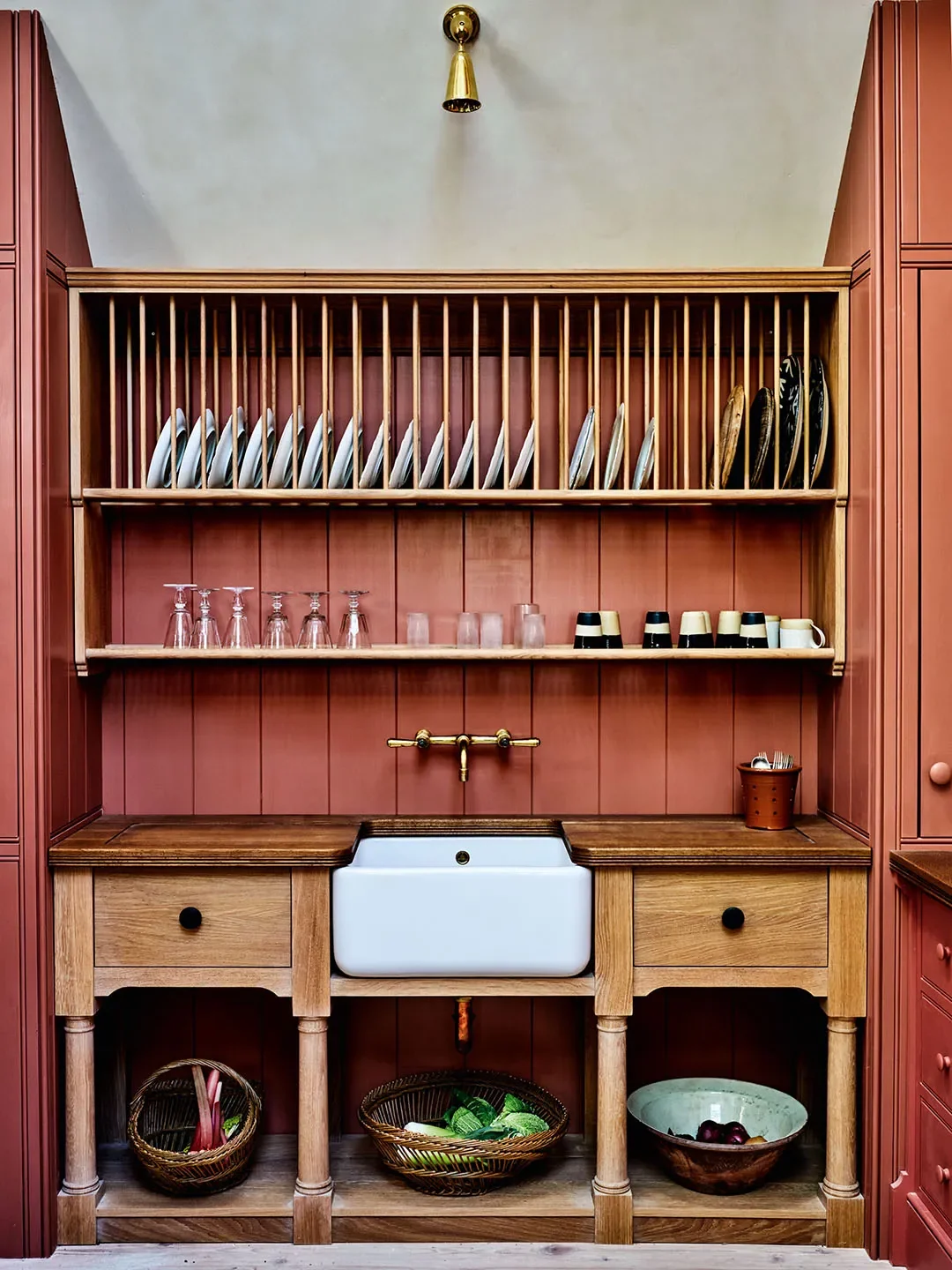
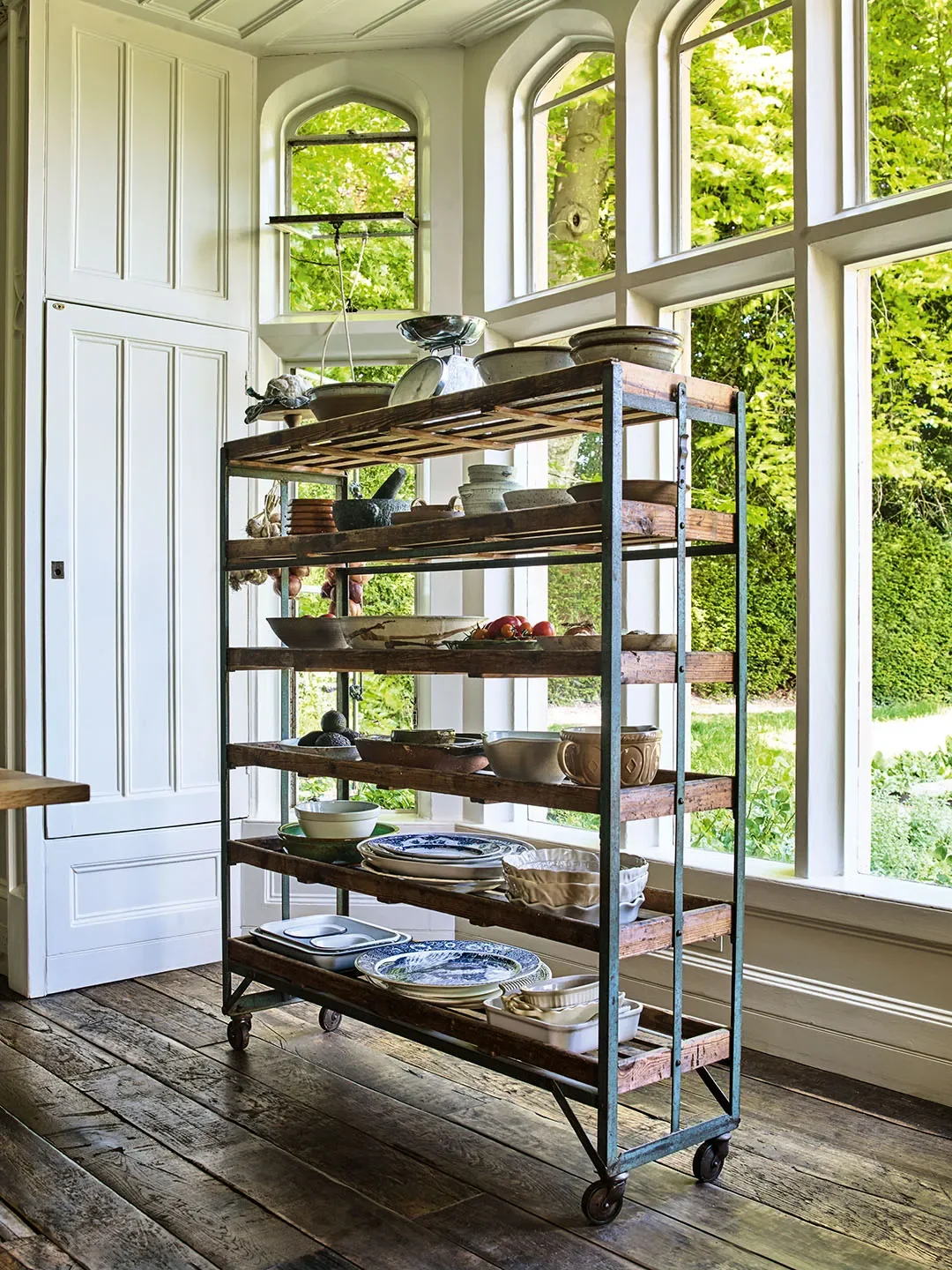
Fashion or trends have never influenced my design decisions. That said, I don't consider what I do necessarily "period" in feel. It's simply that the materials and techniques of the past tend to endure—they resonate with the buildings I work on and best serve the people who inhabit them.
A great deal of the furniture we produce draws direct inspiration from Edwin Lutyens, who was himself deeply influenced by 18th-century pieces—whose designers had in turn drawn from classical forms ultimately rooted in nature. There's certainly an element of "why alter a proven formula?" But just as a recipe passed down through generations may be subtly adapted by each cook, each arrangement carries its own nuances and the distinct hand of the arranger, while the underlying composition belongs to everyone and to no one.
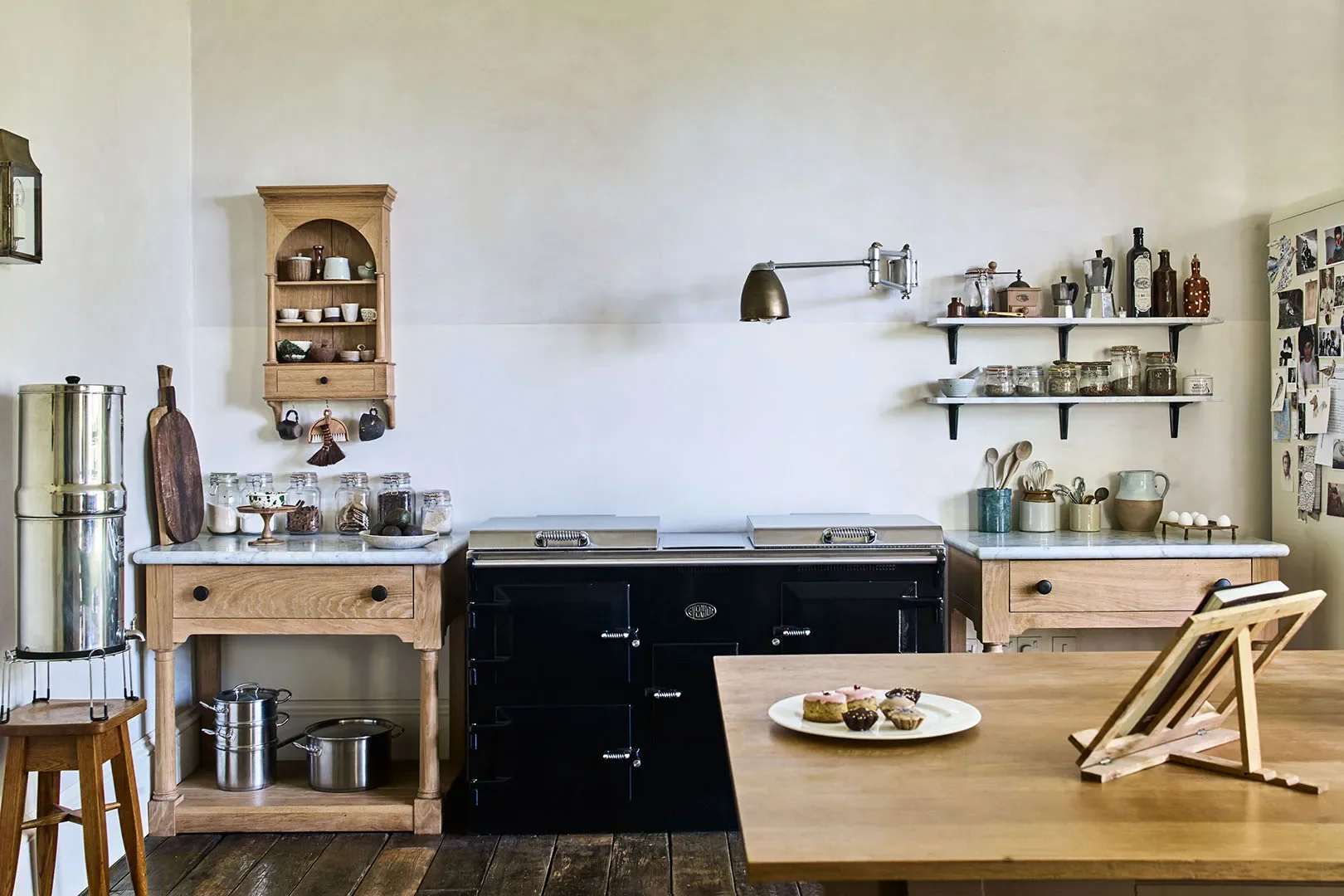
Given that I've been traveling for so long—an epic three-week road trip across the U.S. promoting the book—it would probably be my own kitchen at home!

Learn more about Domino.comEditorial Standards
More from this layout
 FM-5981
 · Other
Before & After: Curated Auction Finds and Timeworn Brass Give This Connecticut Kitchen Its Soul
FM-5981
FM-5981 · Other
Before & After: Curated Auction Finds and Timeworn Brass Give This Connecticut Kitchen Its Soul
 FM-4543
 · Other
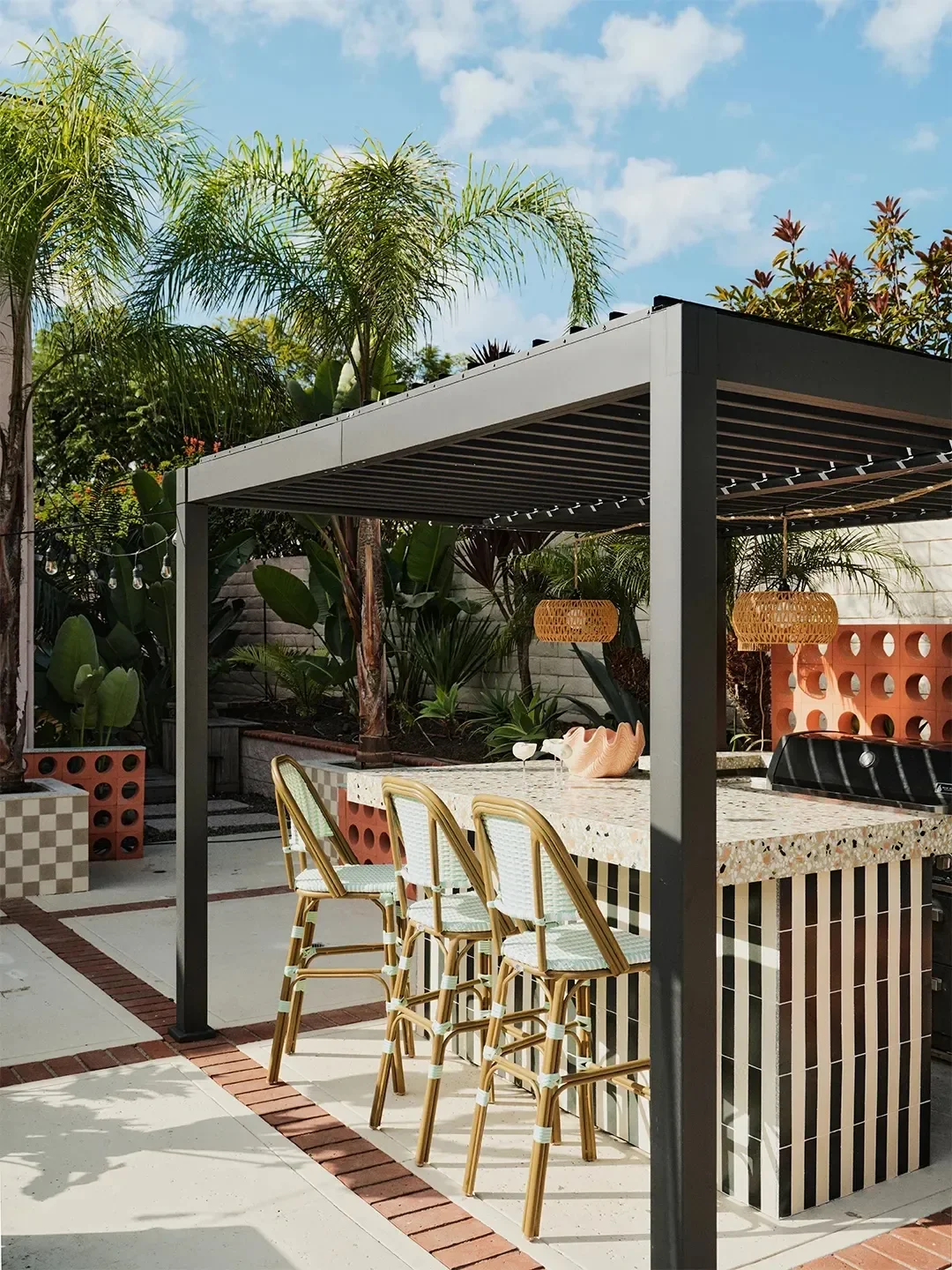
The Alfresco Kitchen Has Finally Come Into Its Own This Season
FM-4543
FM-4543 · Other
The Alfresco Kitchen Has Finally Come Into Its Own This Season
 FM-8498
 · Other
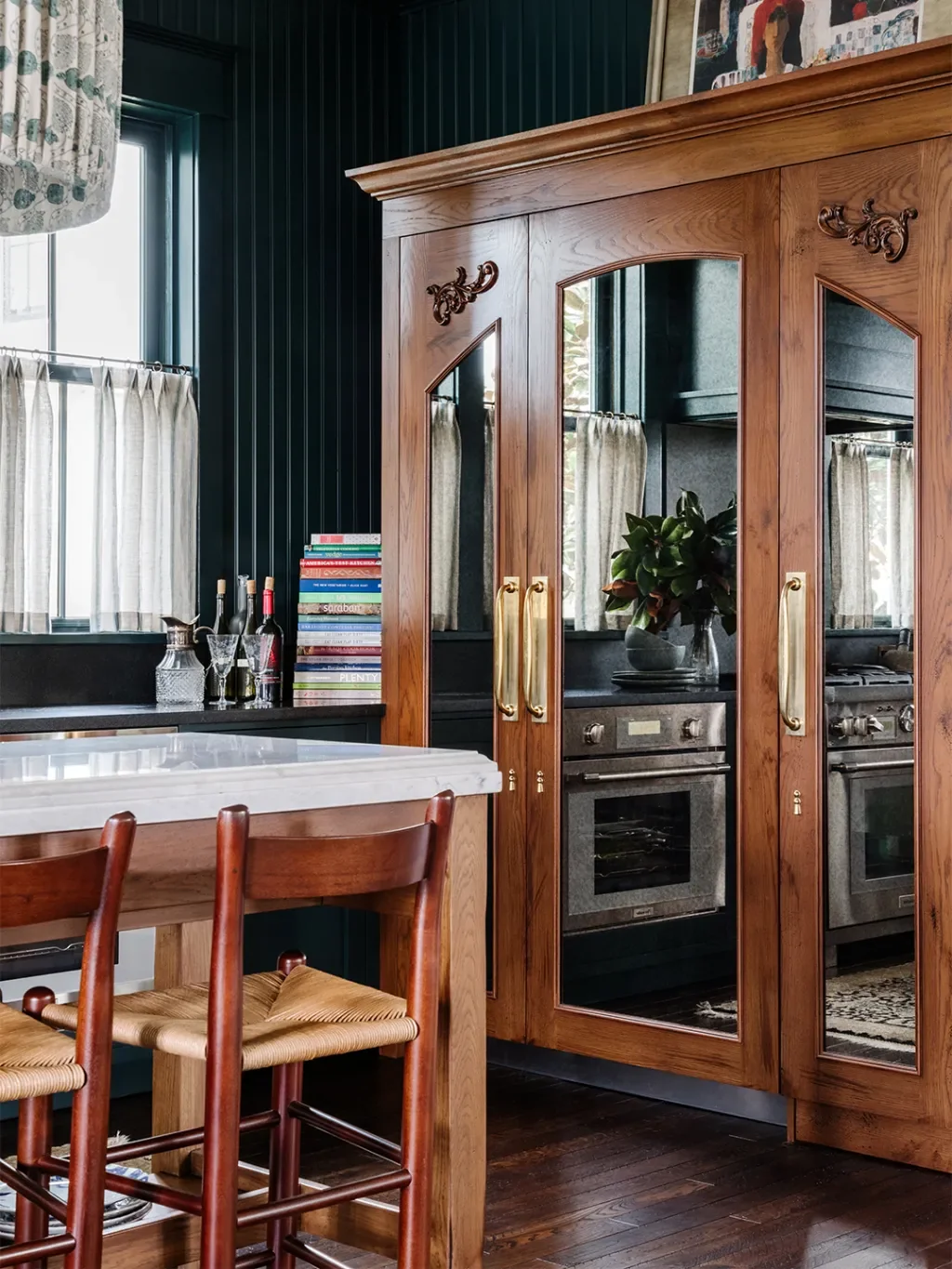
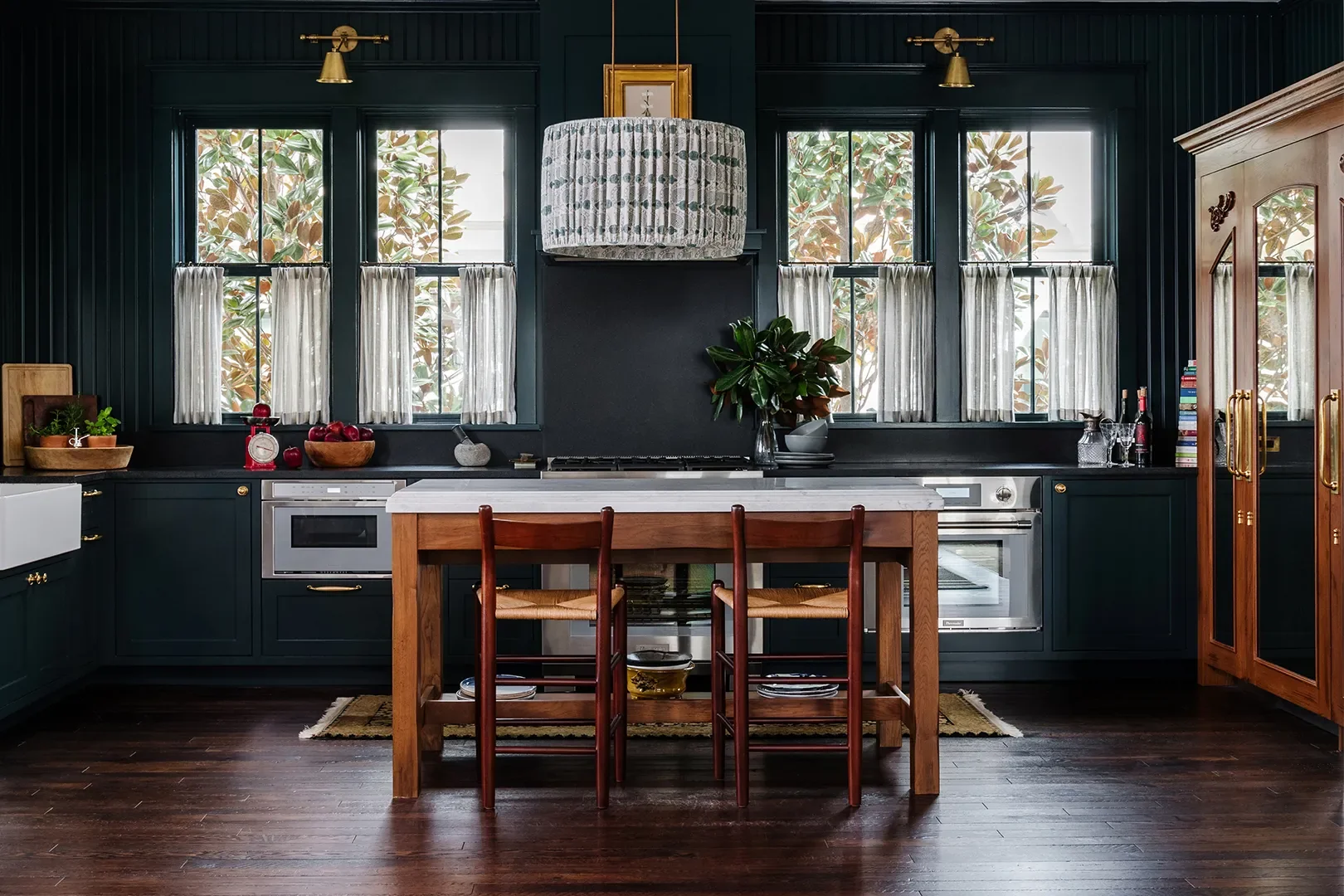
Inside a Florida Kitchen Whose Disguised Armoire Conceals a Refrigerator and a Hidden Pantry Passage
FM-8498
FM-8498 · Other
Inside a Florida Kitchen Whose Disguised Armoire Conceals a Refrigerator and a Hidden Pantry Passage