ByKristen Flanagan,After Photography byKate Jordan,Styling byVeronica Olson
PublishedJul 22, 2026 4:01 AM EDT
We may earn revenue from the products available on this page and participate in affiliate programs.
Domino Reno: Before + Afters, DIYs, and Advice From the Pros
Subscribe now to get our newsletter in your inbox.
By signing up, you confirm you are 16+, will receive newsletters and promotional content and agree to ourTerms of Useand acknowledge the data practices in ourPrivacy Policy. You may unsubscribe at any time.
Milestone birthdays have a way of sharpening focus. The year she turned 40, Sydney Jackson found herself reassessing the arc of her creative life in two distinct chapters.
"Two decades in, I realized the next chapter could look entirely different," she reflects. After twenty years shaping visual narratives as an editor and creative director, Jackson noticed her instincts gravitating toward material palettes instead of page layouts—paint swatches, aged brass, and one-of-a-kind vintage mirrors consumed her attention. "What's the thing you could lose yourself in for hours without ever growing bored?" she asks. "For me, it was hunting for the perfect antique looking glass."
Rather than jump straight into a design practice, Jackson started with the project closest to home—literally. Her 1940s Connecticut house possessed wonderful architectural proportions, but decades of deferred maintenance kept devouring her budget. Replacing insulation. Remediating water damage. A new roof. "Twice a year, there'd be this crushing expense," she recalls. "All I craved was the chance to choose something beautiful."
When the first floor finally got its turn, Jackson had zero interest in discarding serviceable finishes. Instead, she relied on her editorial sensibility: retain what works, remove what doesn't, and ensure every element justifies its presence.
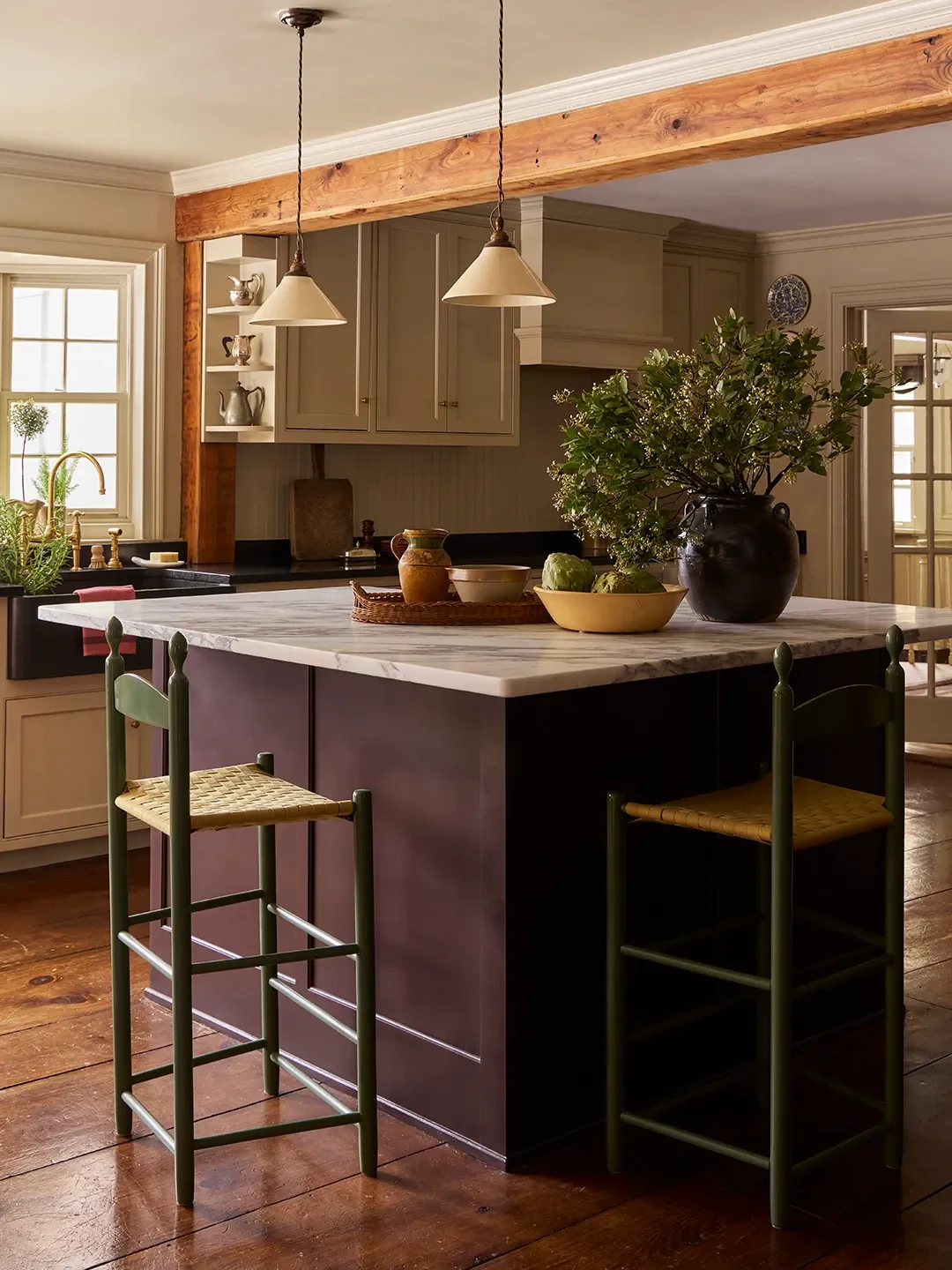
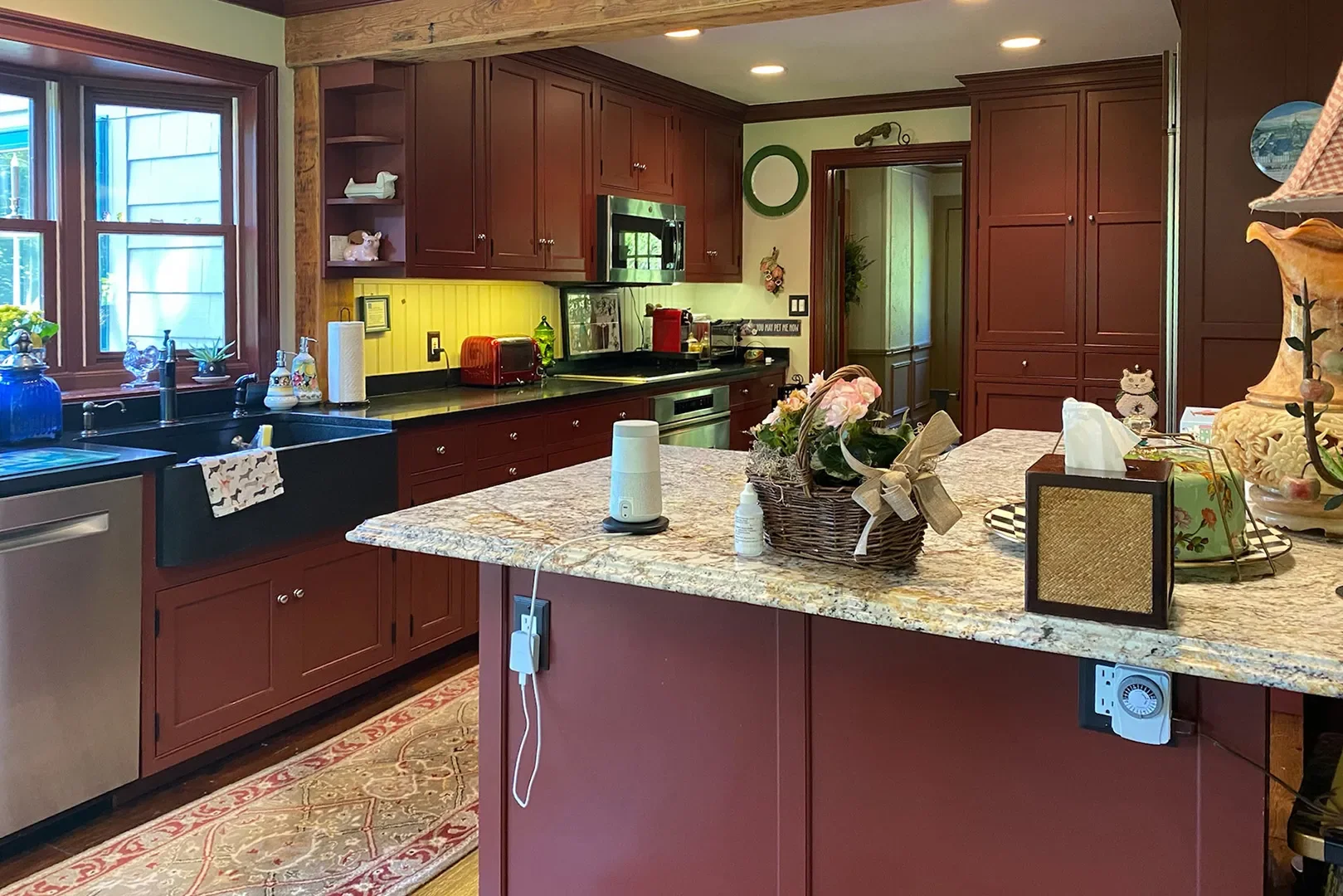
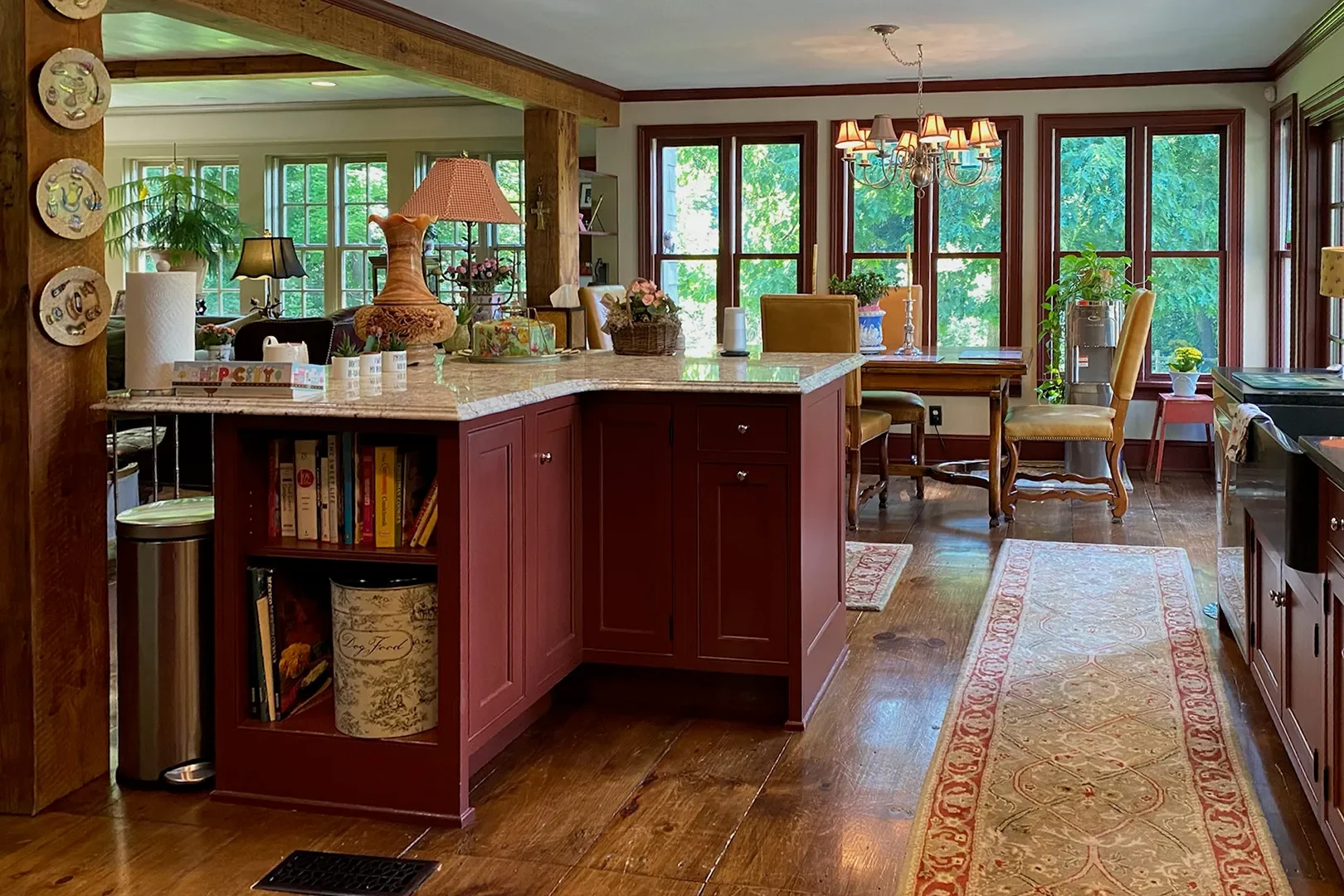
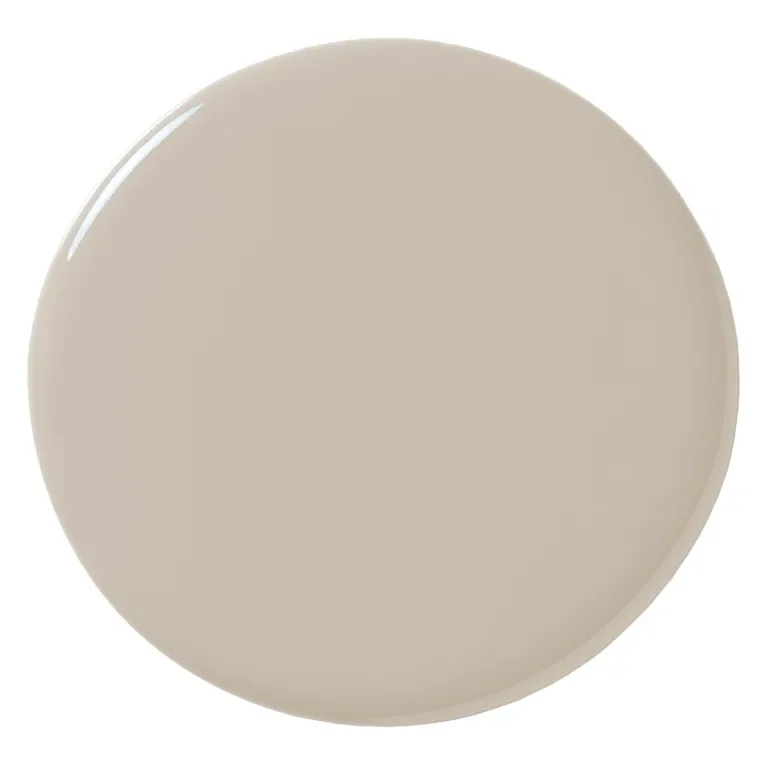
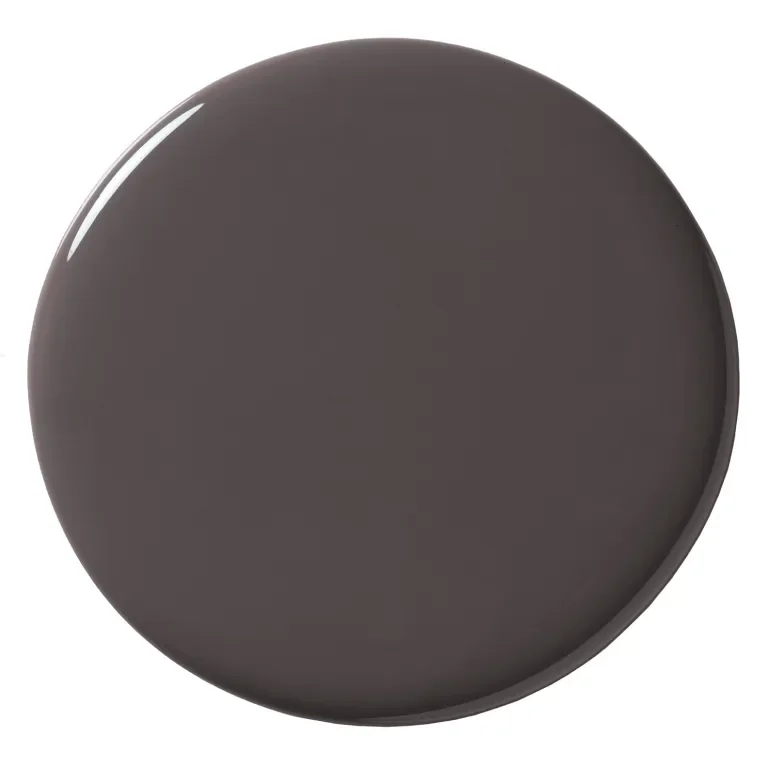
The kitchen's real shortcoming wasn't its footprint—it was the oppressive red cabinetry. Dawn light transformed the perimeter cabinets into something "blood-like," and by dusk the room closed in like a "cavern." Yet the joinery itself remained structurally flawless. Collaborating with a Farrow & Ball color specialist, Jackson resurfaced the perimeter cabinets in the muted warmth of Drop Cloth and wrapped the island in Mahogany—a deep brown tinged with plum. The refreshed chromatic scheme feels luminous without shedding its depth. More crucially, it unites the open-plan kitchen, dining zone, and living area into a single coherent narrative. "Every space has to speak the same visual language," she explains. Once the backdrop found its voice, the rest fell into place.
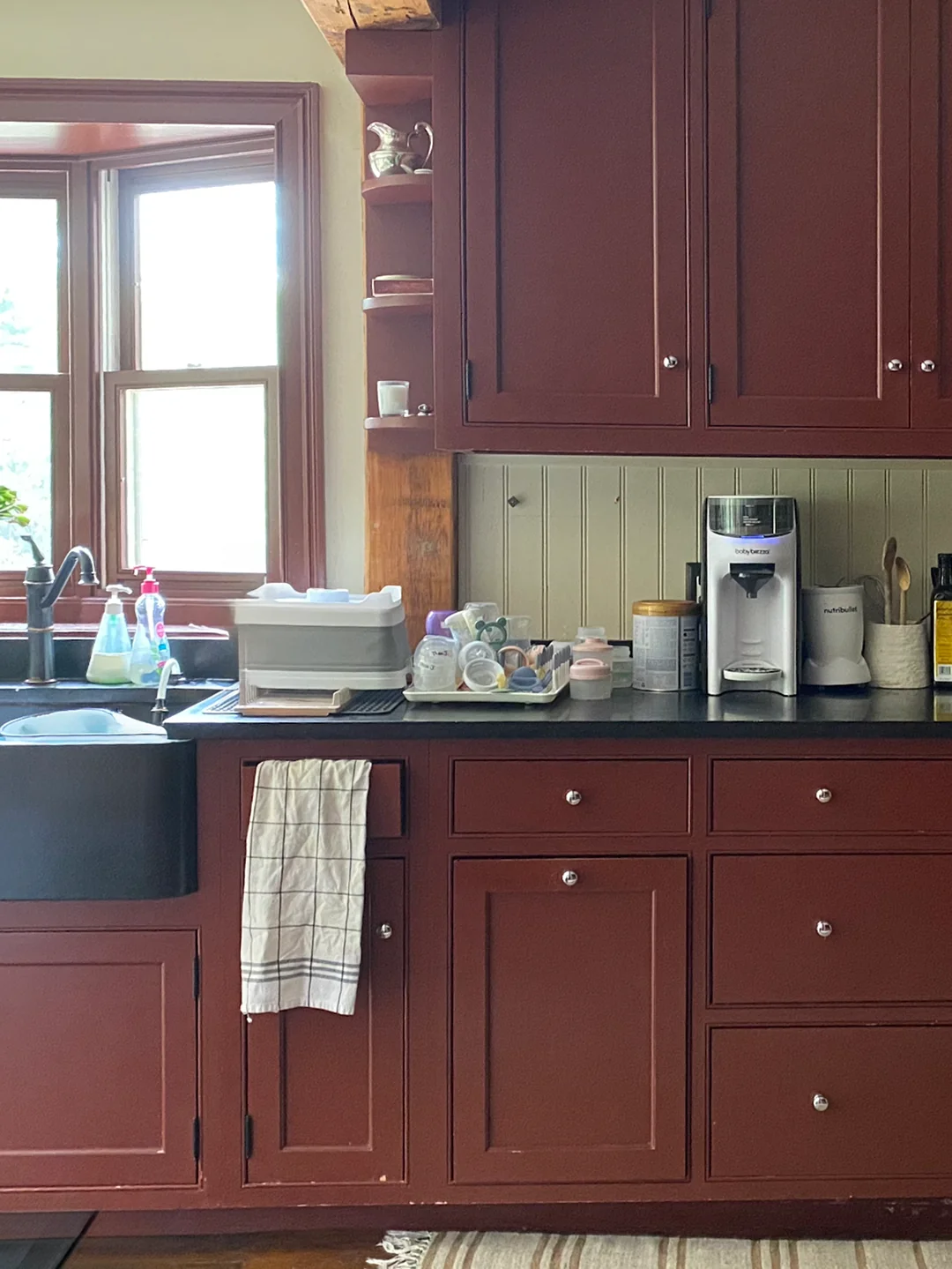
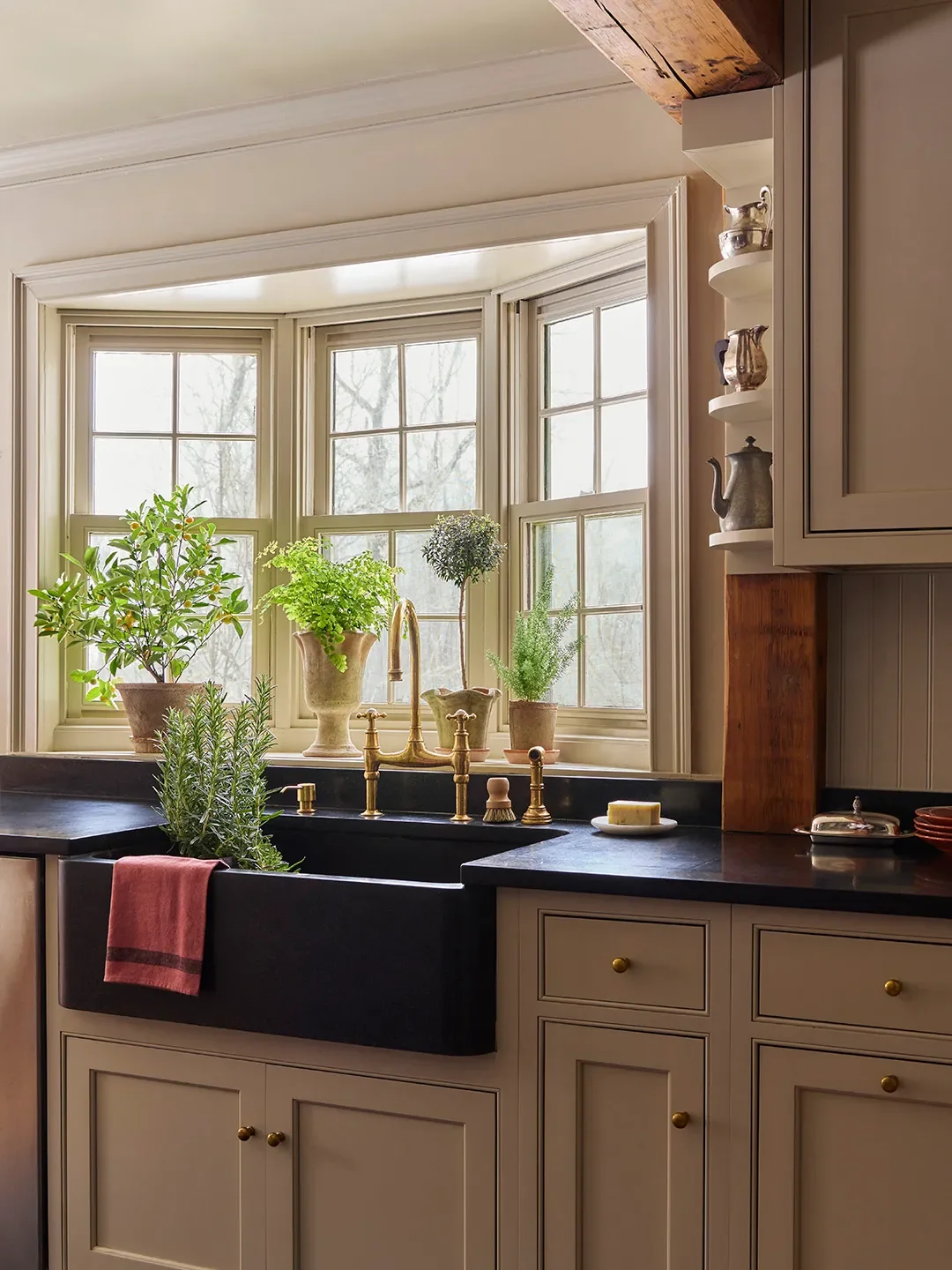
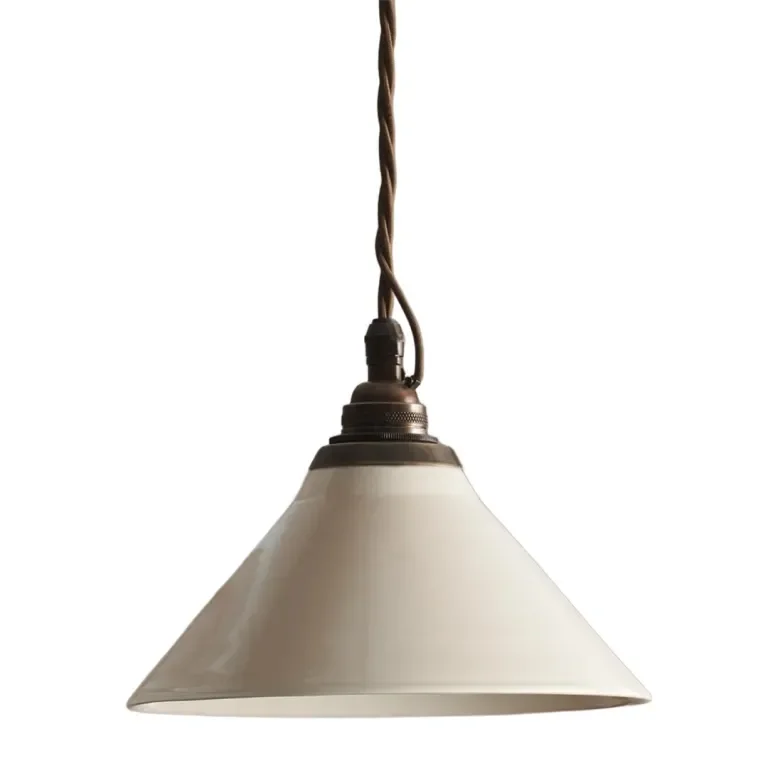
Since Jackson wasn't gutting the floor plan, every expenditure needed to pull its weight. In the kitchen, that meant swapping the glittery granite island slab for veined Arabescato Corchia marble, replacing the over-range microwave with a bespoke hood, and investing in a Perrin & Rowe bridge faucet alongside DeVOL's Creamware pendants. Even the cabinet pulls became a miniature obsession. Rather than waiting a decade for unlacquered brass to acquire its natural aging—or settling for a chemical patina that "looked off"—she sourced pre-aged knobs from RLH Brass. Most guests won't clock the distinction consciously; they'll simply sense that the room has always belonged exactly as it is.
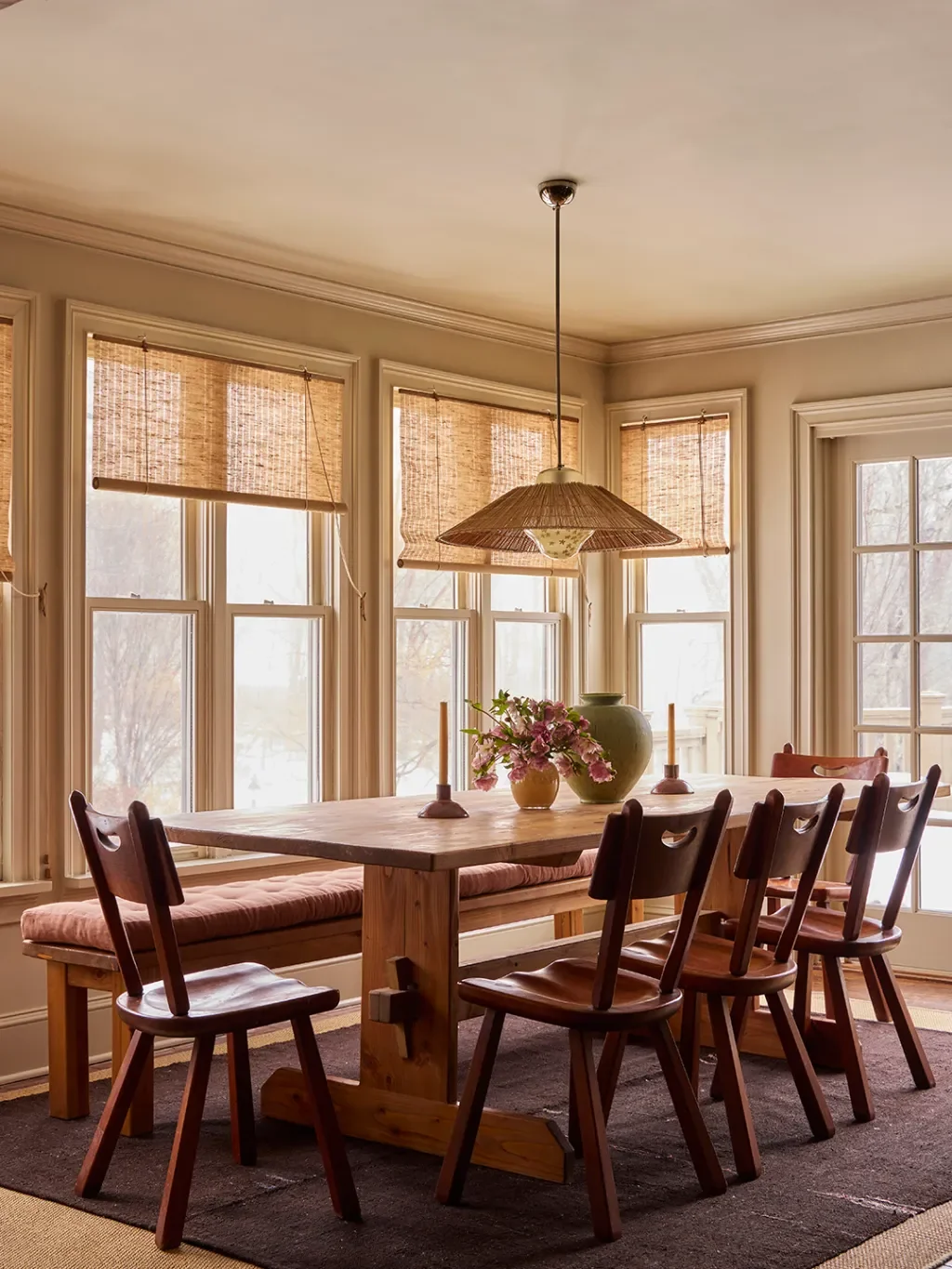
Jackson has little patience for pieces anyone could identify at a glance. "I want each object to feel like a personal discovery," she says of her approach to sourcing. That philosophy led her deep into the world of rare vintage dining pendants, eventually surfacing a sculptural gem by Finnish designer Lisa Johansson-Pape.
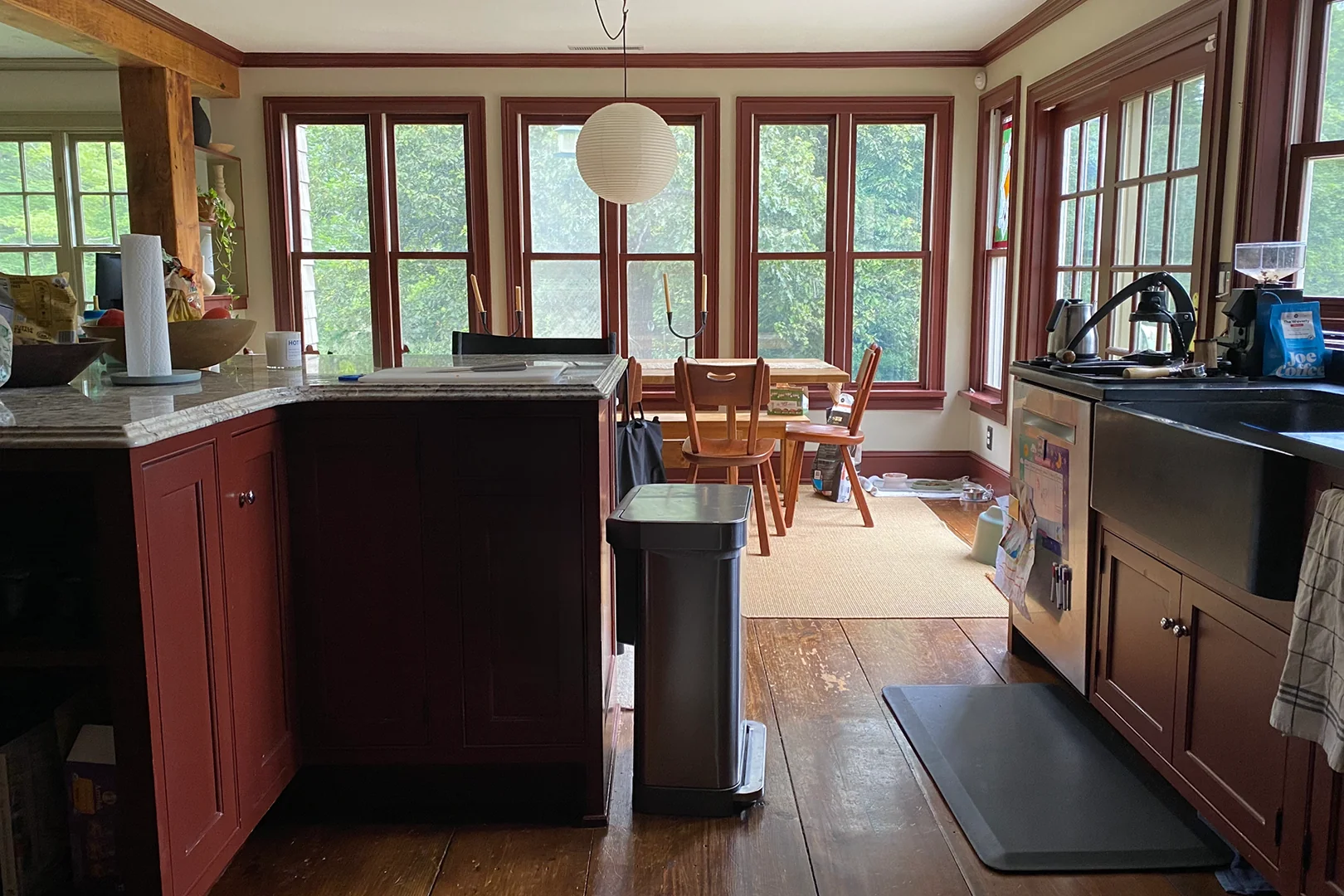
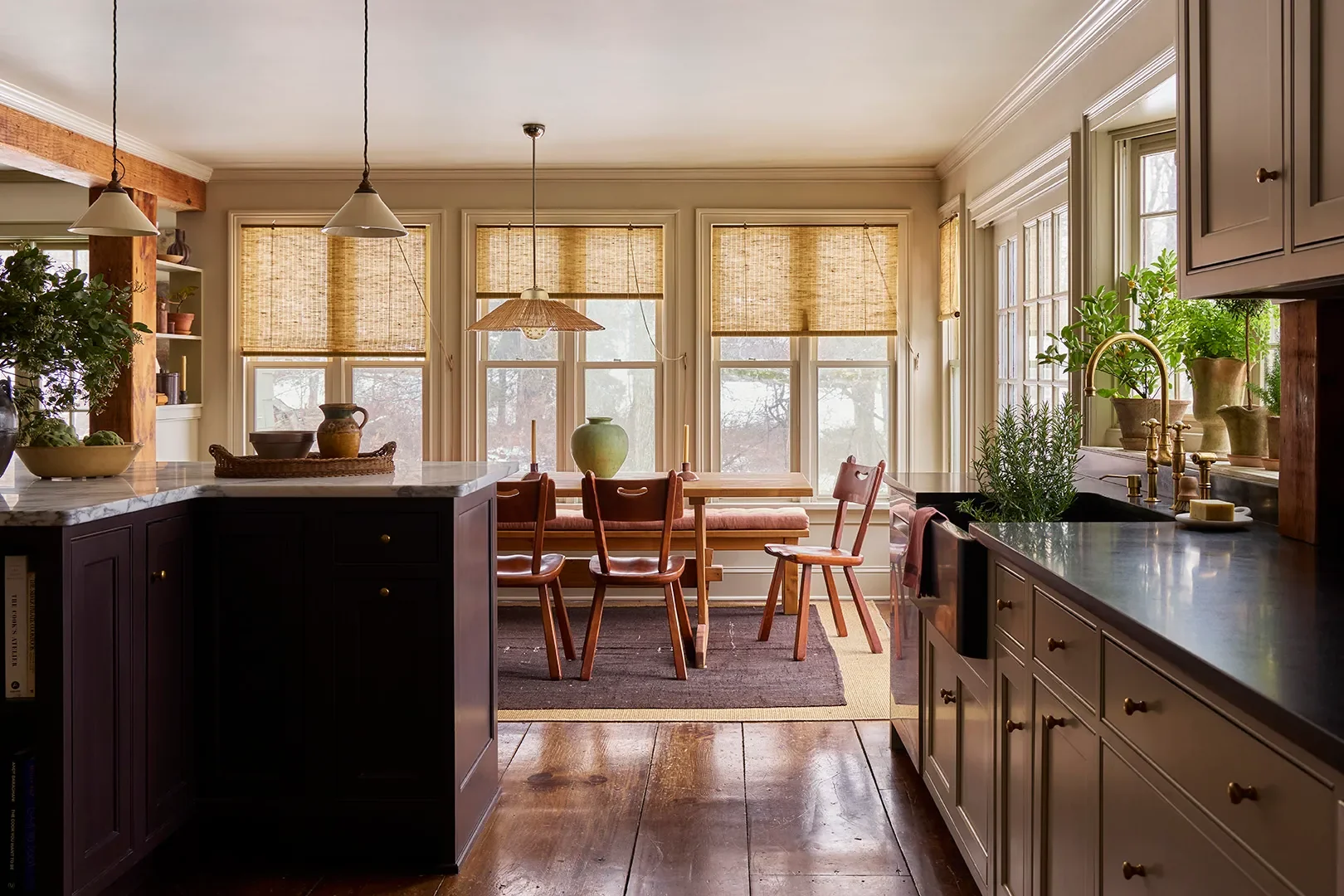
She secured it at auction after a nearly identical fixture drew all the aggressive bidding away. The same patience yielded Facebook Marketplace dining chairs, estate-sale counter stools, and a Swedish pine coffee table she refinished by hand. For Jackson, the pursuit is as rewarding as the prize.
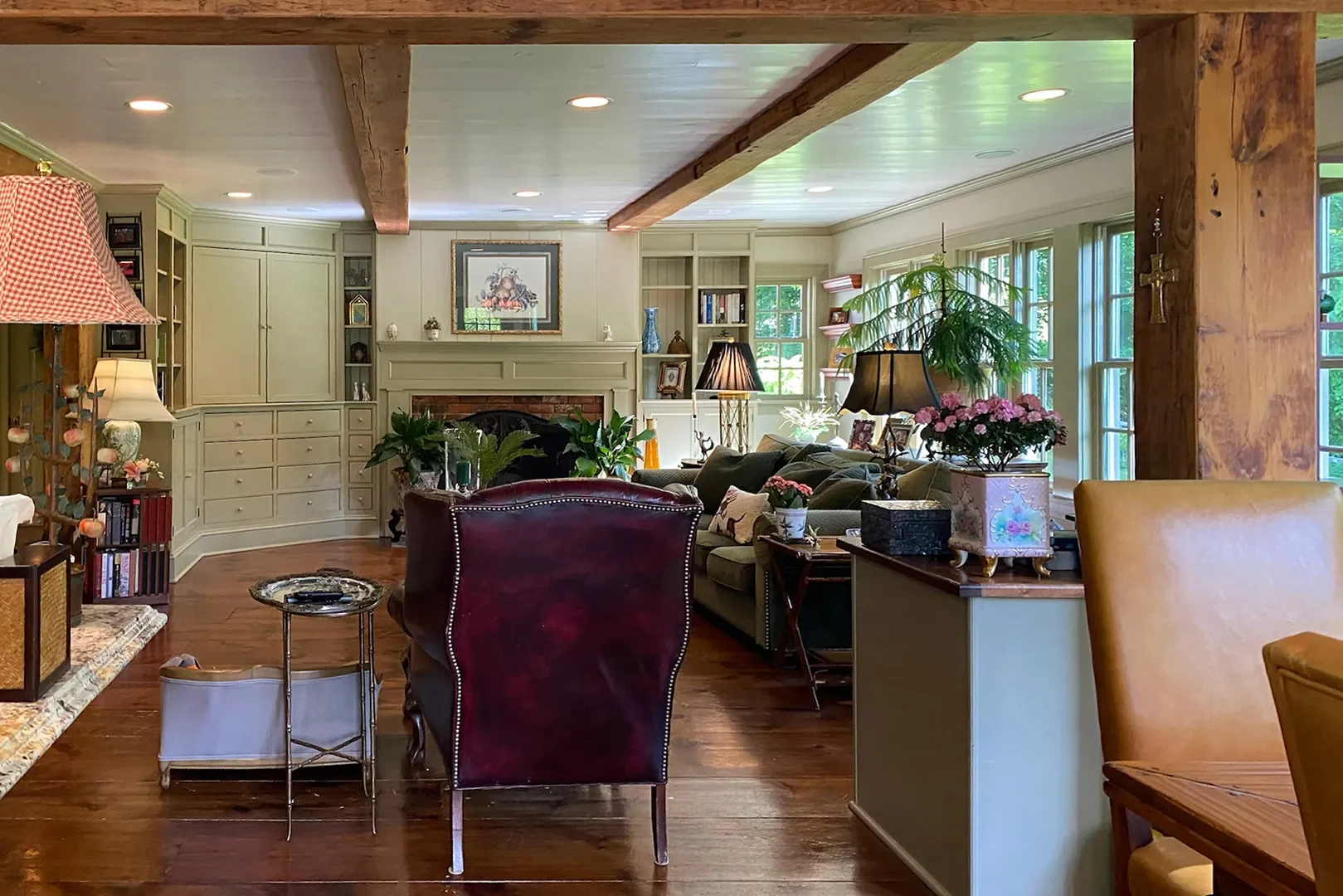
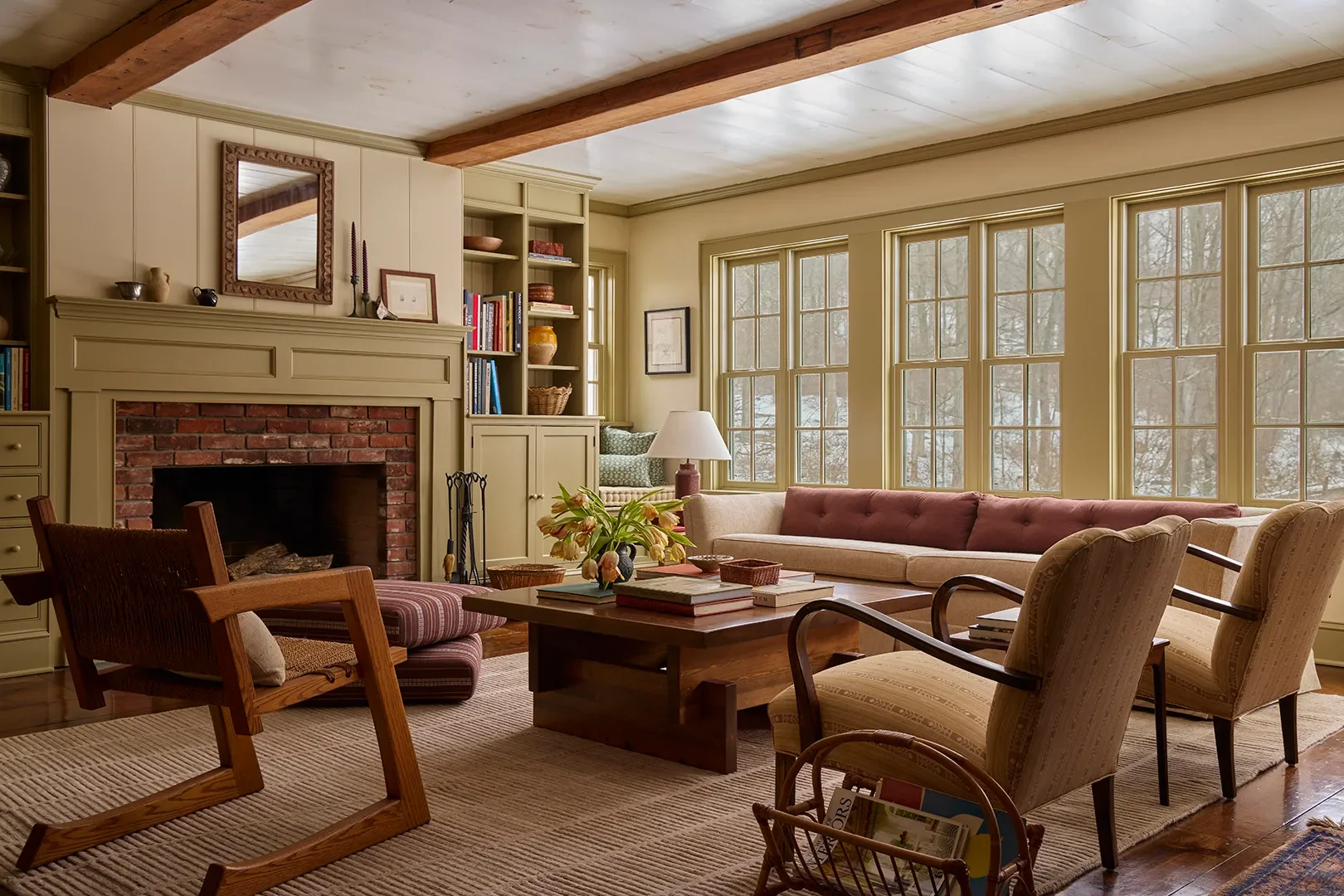
Jackson had settled on a foundation of sage greens, earthy browns, and warm neutrals before one question unsettled the entire scheme: Where does the yellow go? "I had this unexplainable pull toward yellow," she admits—an impulse that manifested as a pair of floral-upholstered lounge chairs in the living room. The real leap wasn't layering in a new hue at the eleventh hour, though. It was trusting her own creative judgment. Throughout the process, she caught herself wondering, "Has anyone else done this? Is it permissible?" Designing her own home taught her the answer mattered far less than she'd assumed. Those golden chairs weren't simply a chromatic choice—they were evidence she could rely on her own eye.
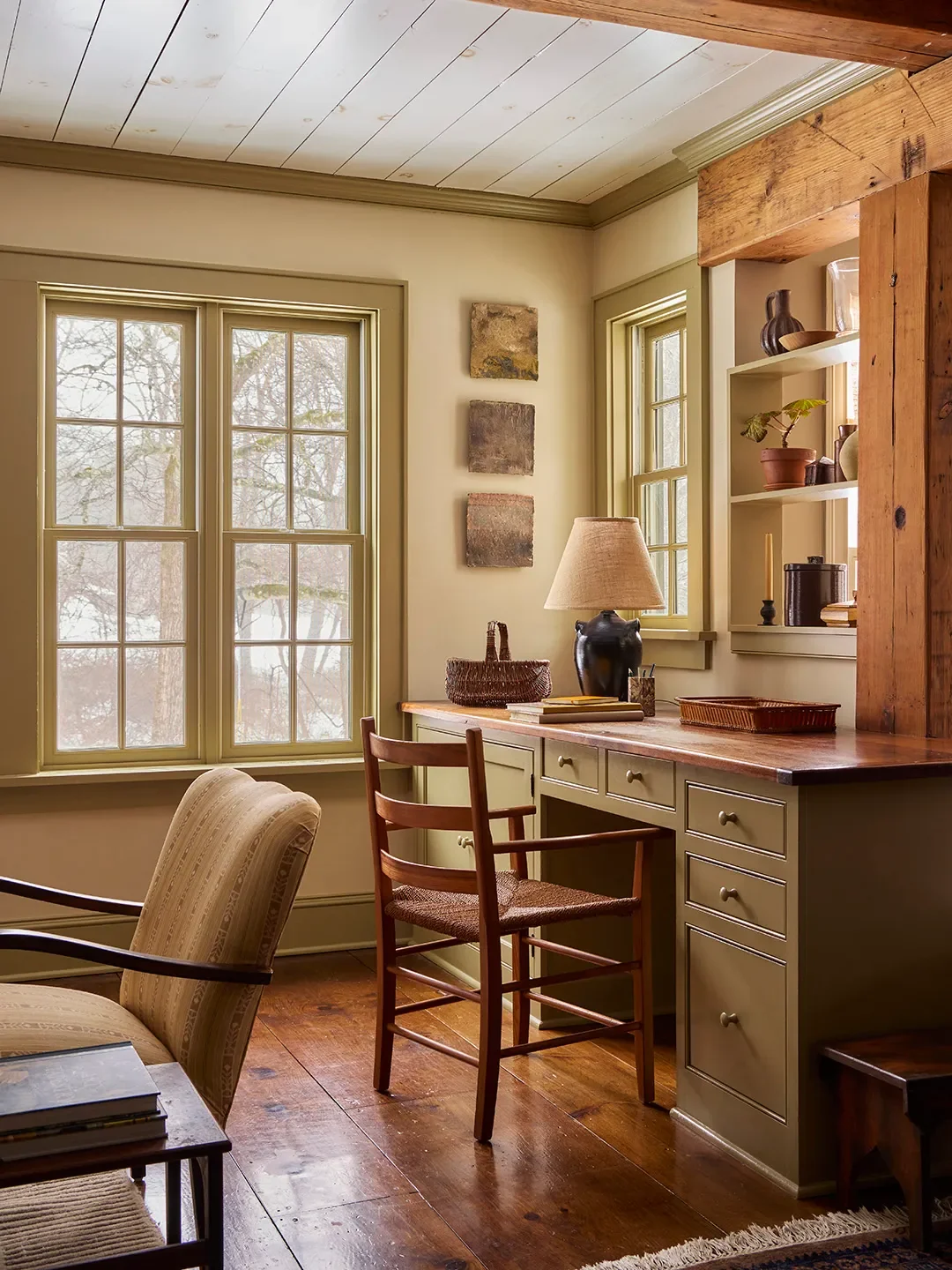
Some of the California native's earliest design memories involve trailing her mother—also an interior designer—through San Francisco's design district as a child. The payoff for sitting patiently through fabric consultations was lunch at The Cheesecake Factory or a wander through FAO Schwarz. Now, decades on, she finds herself recreating the tradition with her eldest daughter, Freya, who accompanies her to estate sales and antique markets before they stop somewhere celebratory on the drive home. "I've become my mother," Jackson says, laughing.

Learn more about Domino.comEditorial Standards
More from this layout
 FM-4543
 · Other
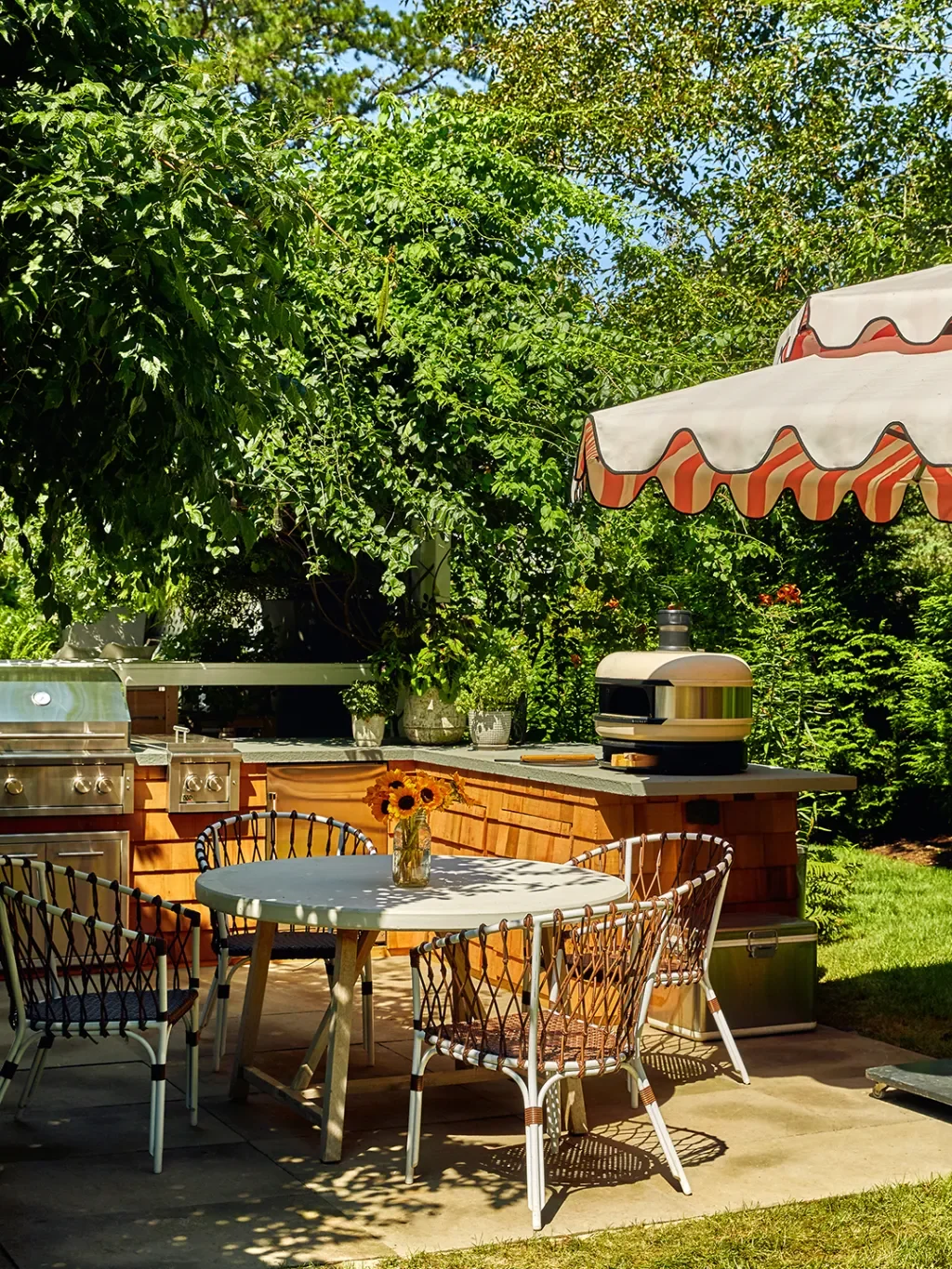
The Alfresco Kitchen Has Finally Come Into Its Own This Season
FM-4543
FM-4543 · Other
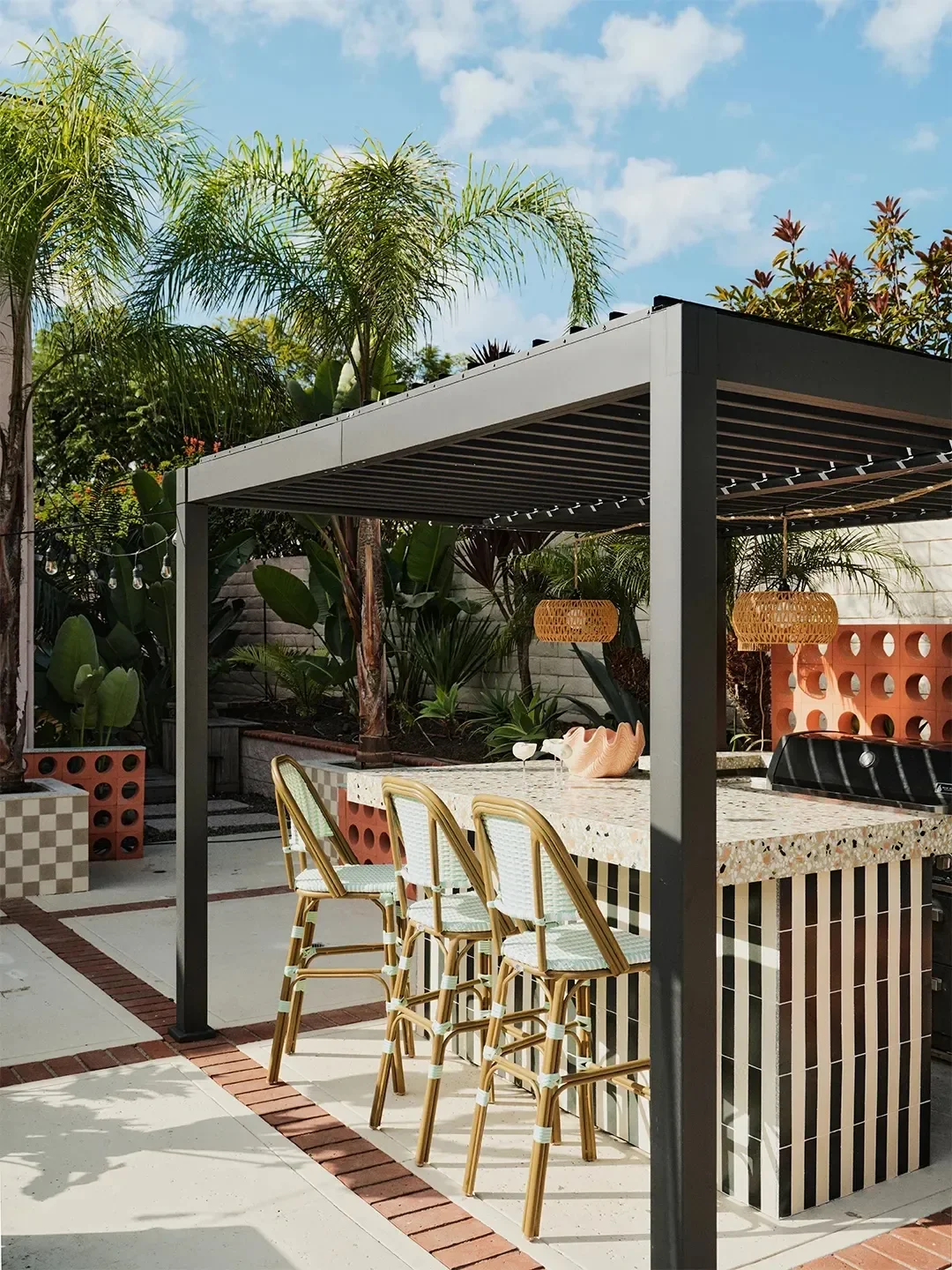
The Alfresco Kitchen Has Finally Come Into Its Own This Season
 FM-8498
 · Other
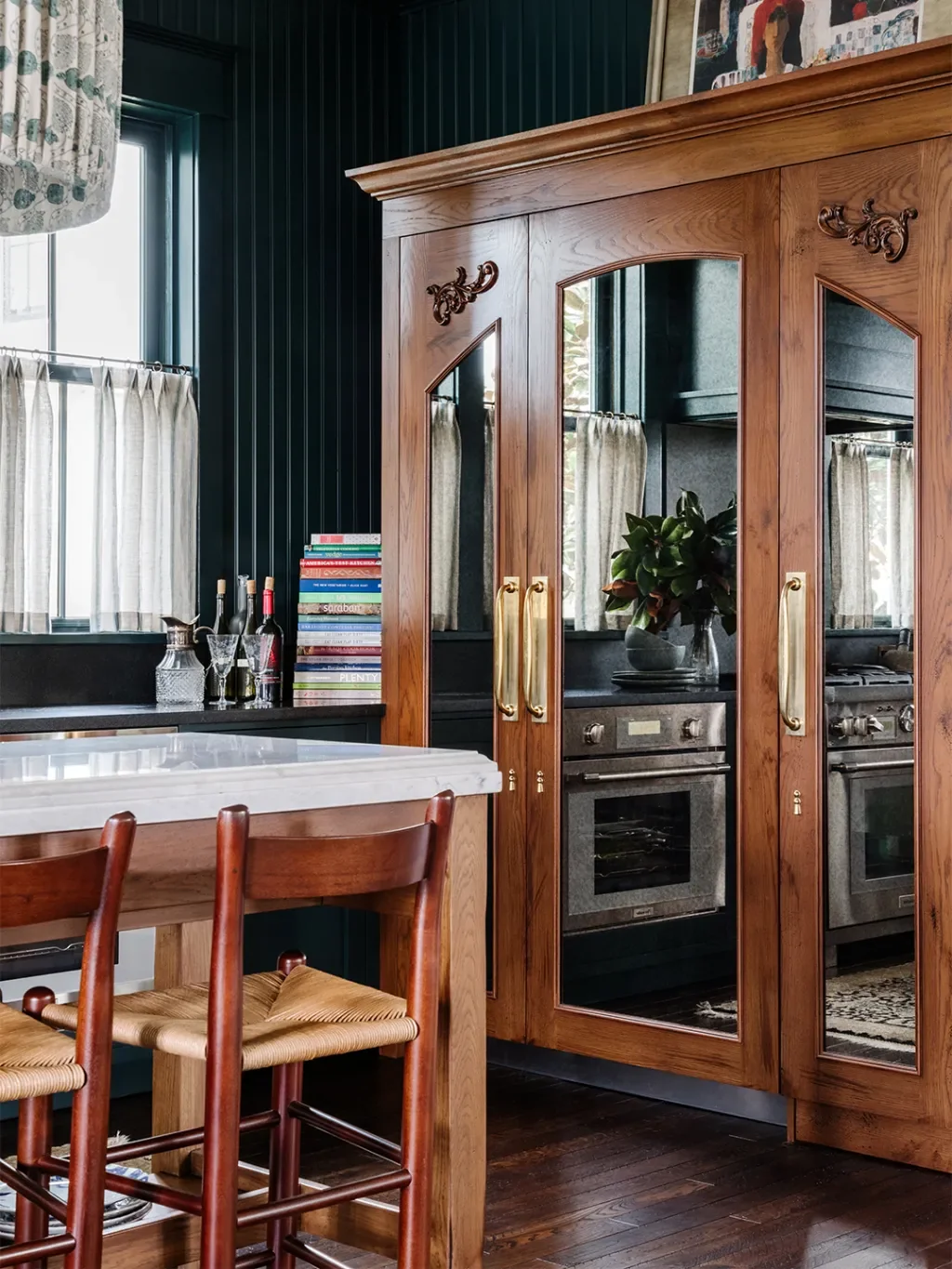
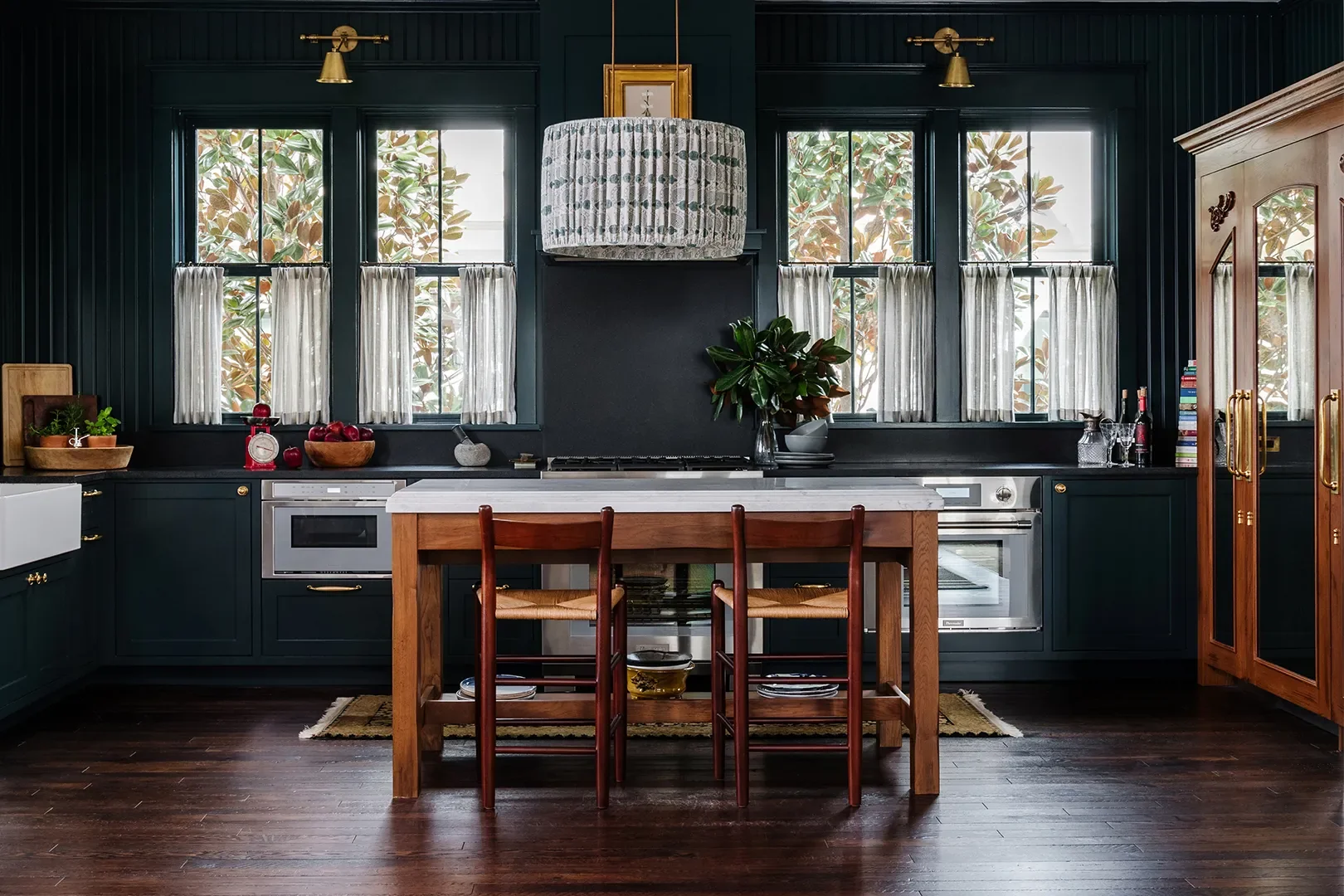
Inside a Florida Kitchen Whose Disguised Armoire Conceals a Refrigerator and a Hidden Pantry Passage
FM-8498
FM-8498 · Other
Inside a Florida Kitchen Whose Disguised Armoire Conceals a Refrigerator and a Hidden Pantry Passage
 CU-3573
 · Other
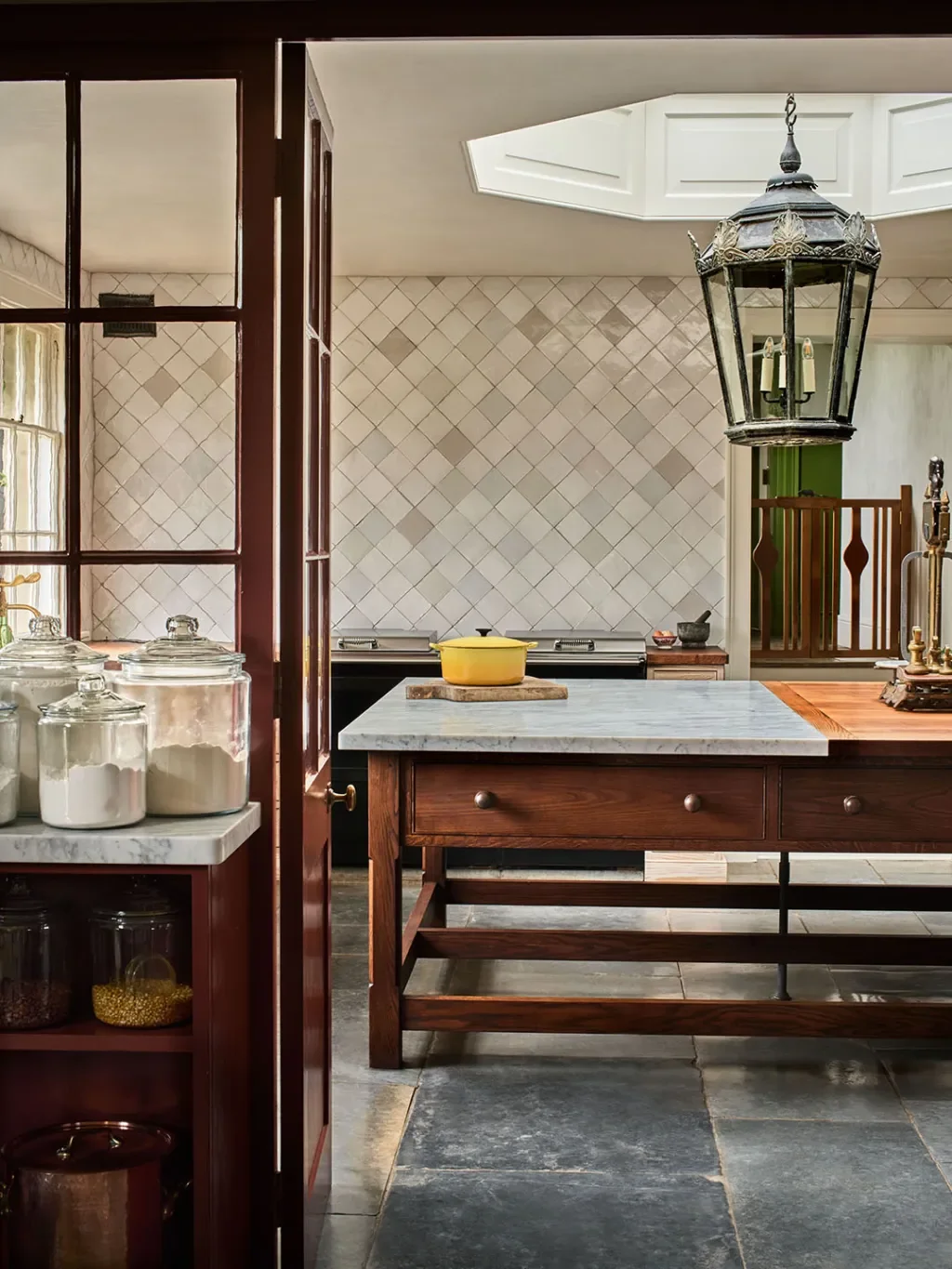
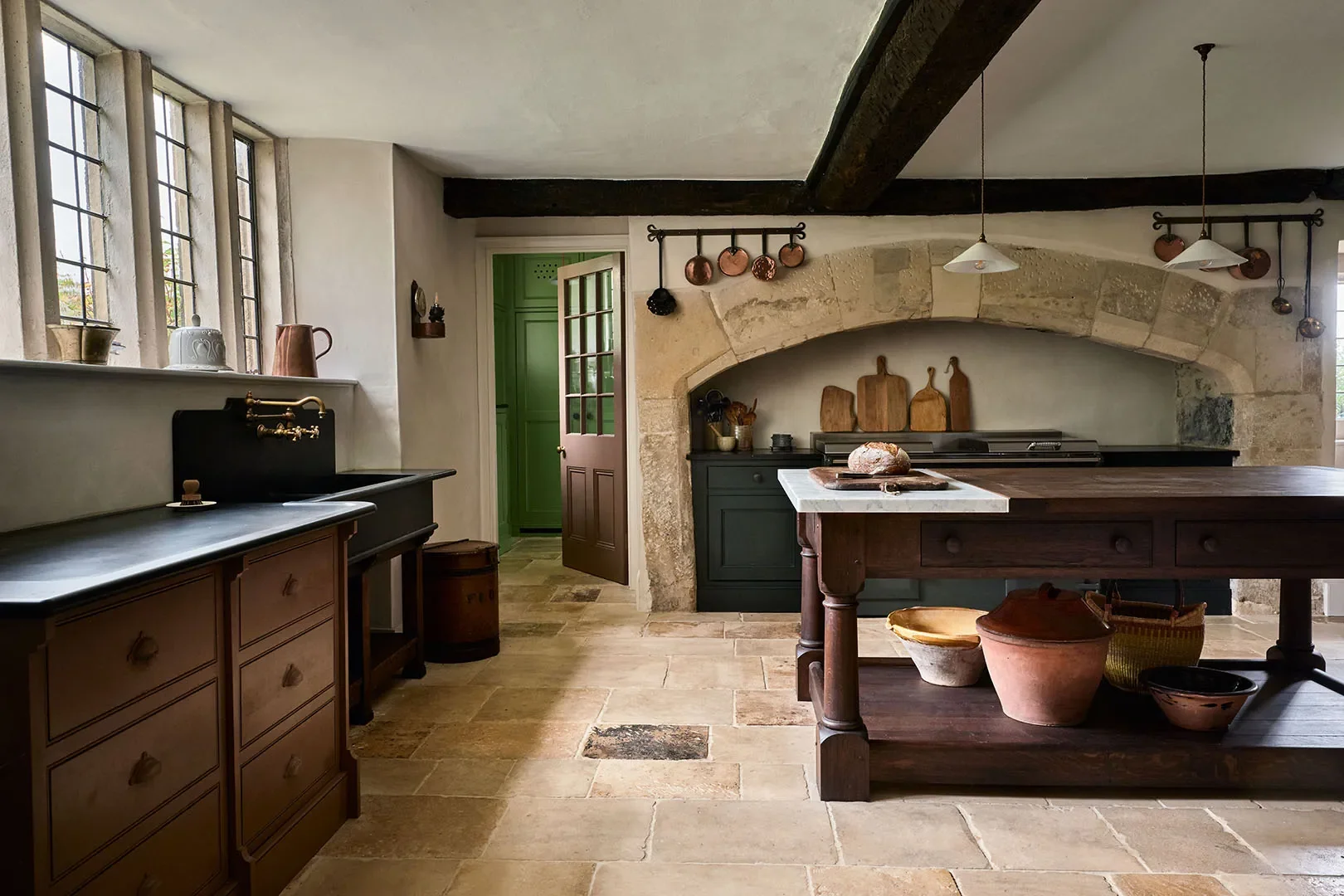
Why Freestanding Furniture Could Be the Kitchen Upgrade You Didn't Know You Needed
CU-3573
CU-3573 · Other
Why Freestanding Furniture Could Be the Kitchen Upgrade You Didn't Know You Needed