ByBrit Ashcraft,Photography byBelle Morizio
PublishedJun 29, 2025 12:04 AM EDT
We may earn revenue from the products available on this page and participate in affiliate programs.
Domino Finds: Smart Shopping, Editor Favorites, and Gift Ideas
Join us for a weekly shopping trip right in your inbox.
By signing up, you confirm you are 16+, will receive newsletters and promotional content and agree to ourTerms of Useand acknowledge the data practices in ourPrivacy Policy. You may unsubscribe at any time.
When I moved into my Hudson Valley Victorian six years ago, the gas range in the kitchen gave me pause. Gas leaks were a genuine worry, I disliked burning more fossil fuels, and the grates were a nightmare to clean. But every cook I knew insisted gas was the professional standard: superior control, superior heat, superior results. Reworking the electrical and purchasing a new range also weren't in the budget, so I made peace with it and carried on.
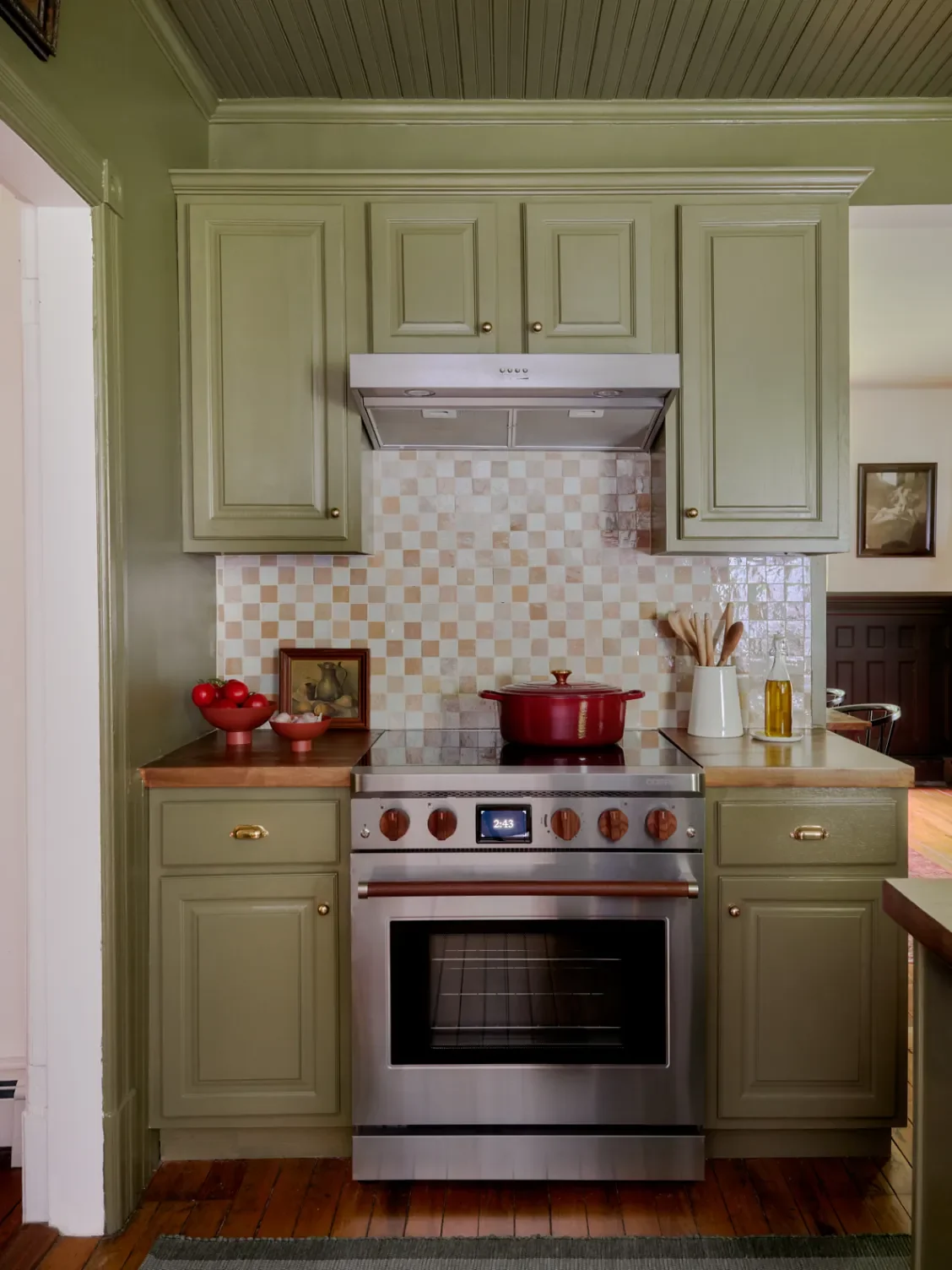
Fast-forward to this past winter, when my husband and I were brainstorming kitchen refreshes. Nothing drastic—backsplash, paint, hardware. Then the conversation landed on the range. We'd both grown to despise it over the years, and not solely over safety. The temperature was impossible to master, the kitchen turned sweltering in summer, and scrubbing those grates was a chore. The appliance itself looked dated—a visual sore spot. It was time for a change.
Induction ranges appealed to us for several reasons: smoother cleanup, sharper temperature precision, and greater energy efficiency than conventional electric. During our research, we discovered the Charlie—Copper Home's flagship range and the first to combine a battery with an electricity hybrid system. I was eager to test one and see whether the hype was warranted.
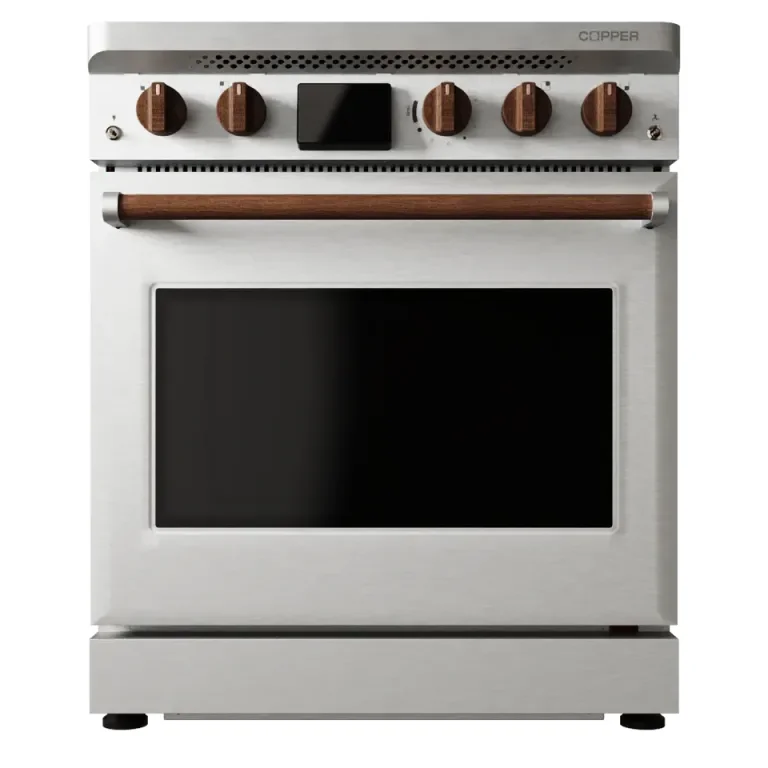
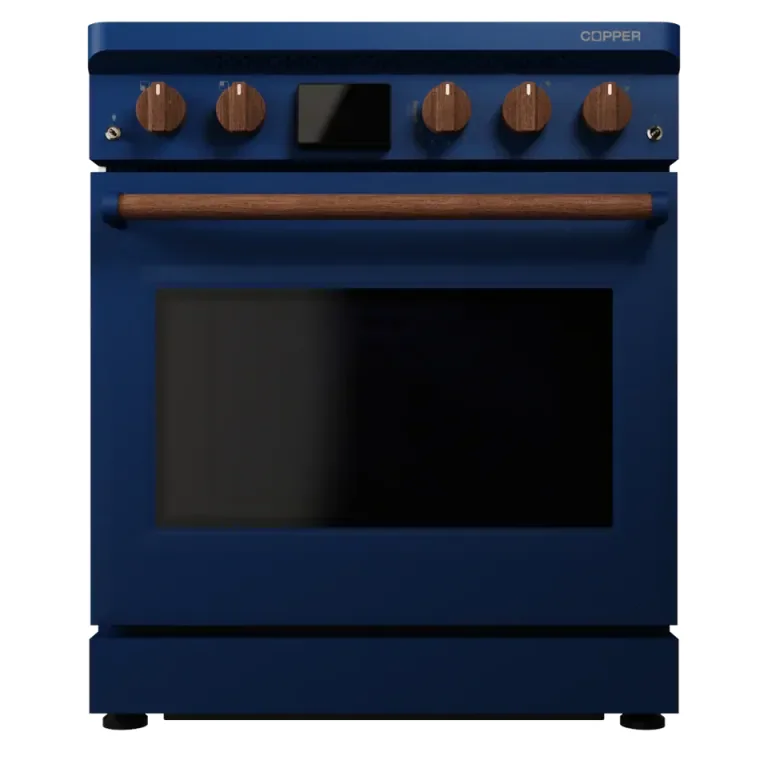
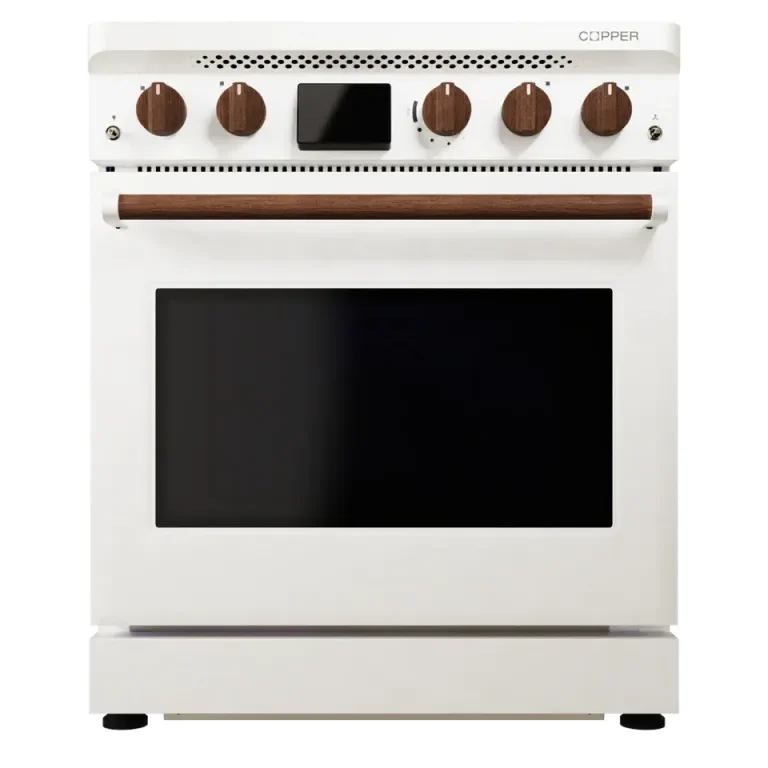
Charlie captured my attention immediately with its timber accents and a soft serif display. It stands apart in a market flooded with cold, tech-driven appliances—the overall impression is classic and inviting, yet unmistakably modern. Charlie is available in three colorways: azurite blue, which brings personality without overwhelming a kitchen; sea salt white, a warm contemporary interpretation of the hue; and stainless steel, which harmonizes effortlessly with existing appliances. (Additional options are on the way, including new colorways, special-edition knobs, and alternate sizing.)
I chose the stainless steel to coordinate with my other appliances and upgraded to the California Black Walnut knobs and handle—crafted from sustainably sourced wood—which nearly match my butcher block countertops. I appreciate that both burners and oven are controlled by physical knobs, unlike many high-end appliances that rely on large touchscreens prone to smudging and confusion during cooking. When I spoke with Mitch Heinrich, Principal Designer at Copper, he summarized it perfectly: "People cook with their families, not with their phones."
My biggest question about switching from gas to induction was the electrical requirement. I'd read that a 240-volt outlet was mandatory, which meant hiring an electrician to upgrade the panel. This is where Charlie truly shines. Because the range is battery-assisted, it runs on a standard 120-volt outlet—zero electrical upgrades needed—and performs just as powerfully as a unit plugged into 240 volts. All that was required was capping the gas line and recessing the existing outlet slightly so the range could sit flush against the wall.
Once it arrived, setup was remarkably swift (average shipping for the stainless steel model runs about four weeks). The delivery team slid it into place, connected it, and after boiling a large pot of water to confirm functionality and walk us through the controls, we were off and running.

I've now cooked on gas, radiant electric, and induction, and I can say without hesitation that induction has been the most satisfying by far. I've turned out succulent roast chicken, rich red sauce, perfectly baked cookies, and even delicate peony syrup—all with consistently lovely results. The temperature control surpasses any cooktop I've used, and the kitchen stays noticeably cooler during operation. I was able to gently simmer and reduce the syrup without any fear of scorching; my old gas range burned everything even at its lowest setting. Cookies baked evenly across the rack, and the chicken emerged with shatteringly crisp skin and juicy meat. Another standout: the turbo preheat. I timed it at 7 minutes and 23 seconds to reach 450 degrees Fahrenheit.
The most groundbreaking element? Charlie's lithium-ion battery—the same cell technology found in premium electric vehicles like Rivian—charges during off-peak hours and stores energy to supplement the range while it cooks. Heinrich explained that integrating a battery was about curbing carbon emissions and eliminating gas lines. The system draws power during low-demand periods, saving money and reducing strain on the grid; if the power goes out, the reserve can sustain roughly three to four meals' worth of cooking. For someone who experiences outages regularly during winter storms and summer heat waves, this was a major selling point.
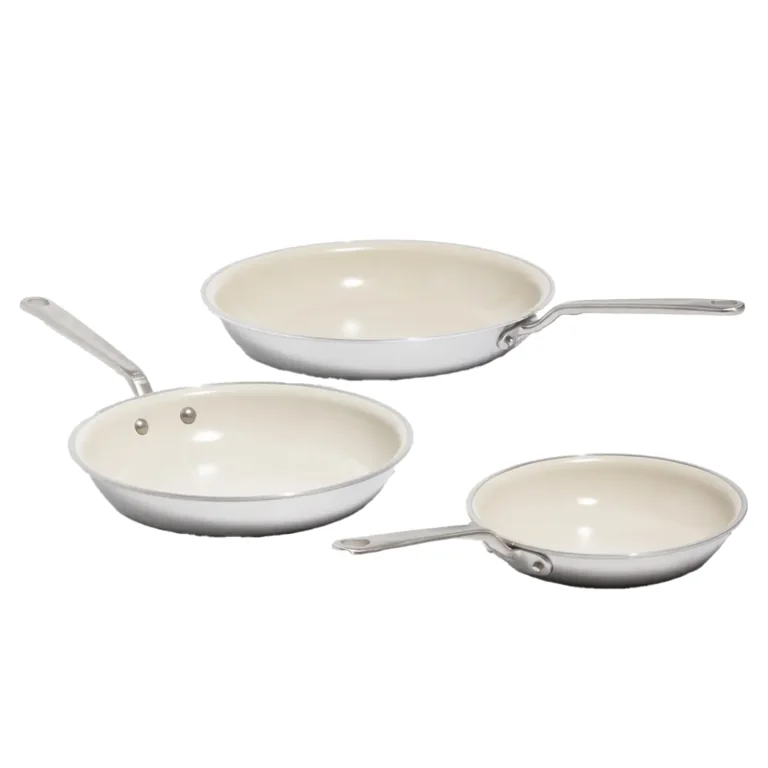
My only hiccup involved cookware compatibility. Not all pots and pans work with induction—aluminum, ceramic, and pure copper are non-starters. I learned this the hard way when a ceramic-coated saucepan triggered an error code. This was entirely my oversight (it's highlighted early in the manual and applies to all induction cooktops, not just Charlie). Fortunately, most of my existing cookware was already compatible. The rule of thumb: induction-ready cookware must have a magnetic base. The simplest test is pressing a refrigerator magnet to the bottom—if it sticks, you're good to go.
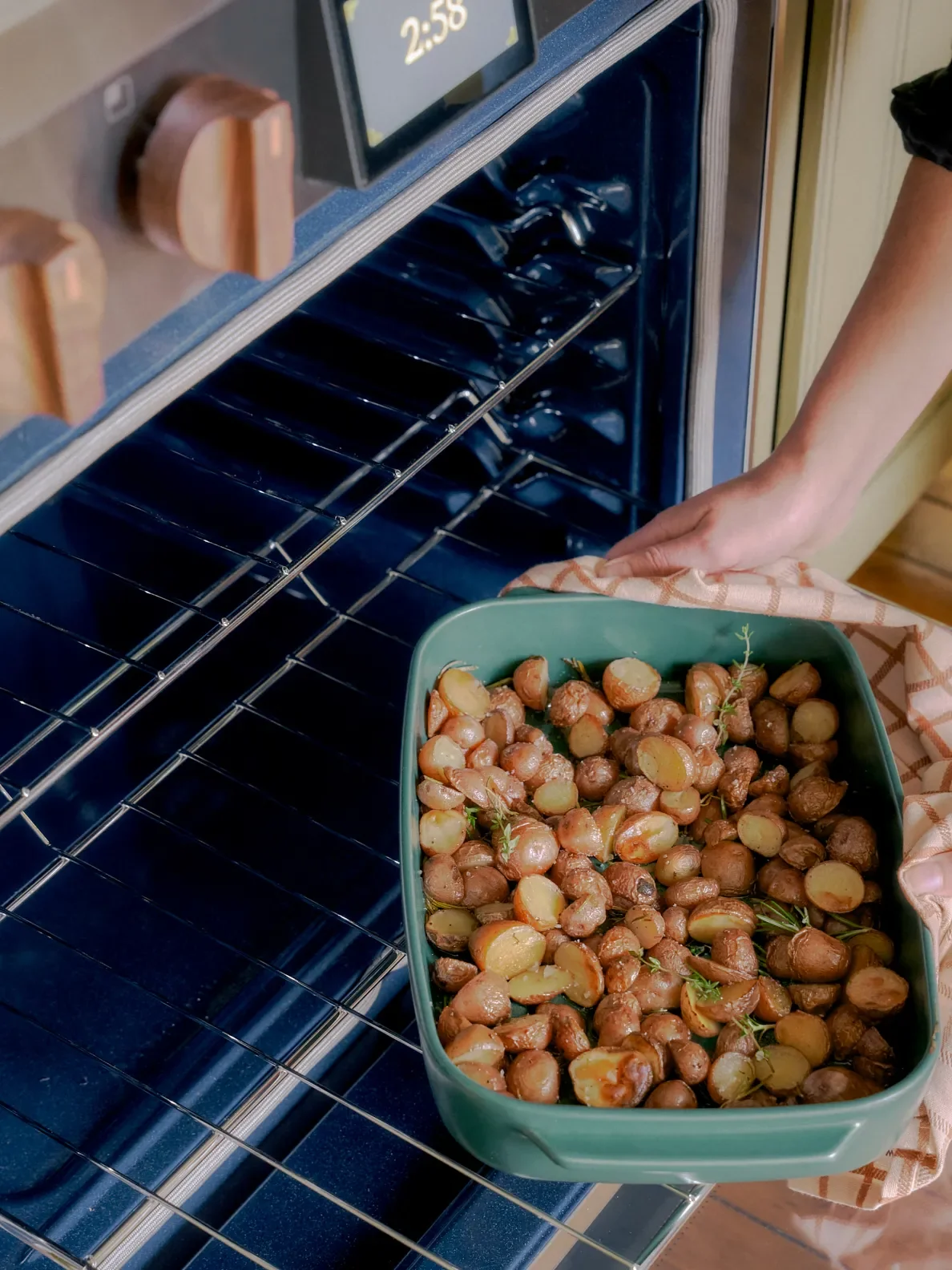
Starting at $5,999, the Charlie sits above entry-level induction models from brands like LG and Frigidaire. But induction pricing spans a wide spectrum, and luxury names such as Viking and Bertazzoni climb well past $12,000. It may not be the right pick for a rental kitchen, but it comes down to priorities. I avoided hefty electrician and contractor invoices since no special outlet was needed, and I was seeking a meaningful upgrade in aesthetics, performance, and innovation. It's also the only range on the market with battery support, which translates to long-term savings on my electric bill as the reserve charges during off-peak hours.
All told, I'm smitten with the Charlie range. I'm a design enthusiast at heart, and the thoughtful detailing and charming silhouette win me over daily. More importantly, I genuinely love cooking on it. I feel more assured now that I can dial in temperatures precisely and trust the oven to bake evenly, and I feel far better without gas in my home. Yes, the glass surface shows dust and fingerprints, but it wipes clean in seconds, and the streamlined profile integrates seamlessly with my countertops—vastly improving on the bulky gas range it replaced. My husband and I have already agreed: if we ever move, Charlie is coming with us.


Brit Ashcraft is an award-winning creative director and graphic designer. She led design at Domino from 2019 to 2025. She has over twelve years of experience working in branding, design, and marketing specializing in interiors, lifestyle, and real estate.

Belle is the in-house photographer and associate photo editor for Domino, capturing everything from home tours to gift guides, plus the occasional how-to project. She joined the photo team as an intern in 2018 and was brought on full time in January 2021.
Learn more about Domino.comEditorial Standards
More from this layout
 FM-5981
 · Other
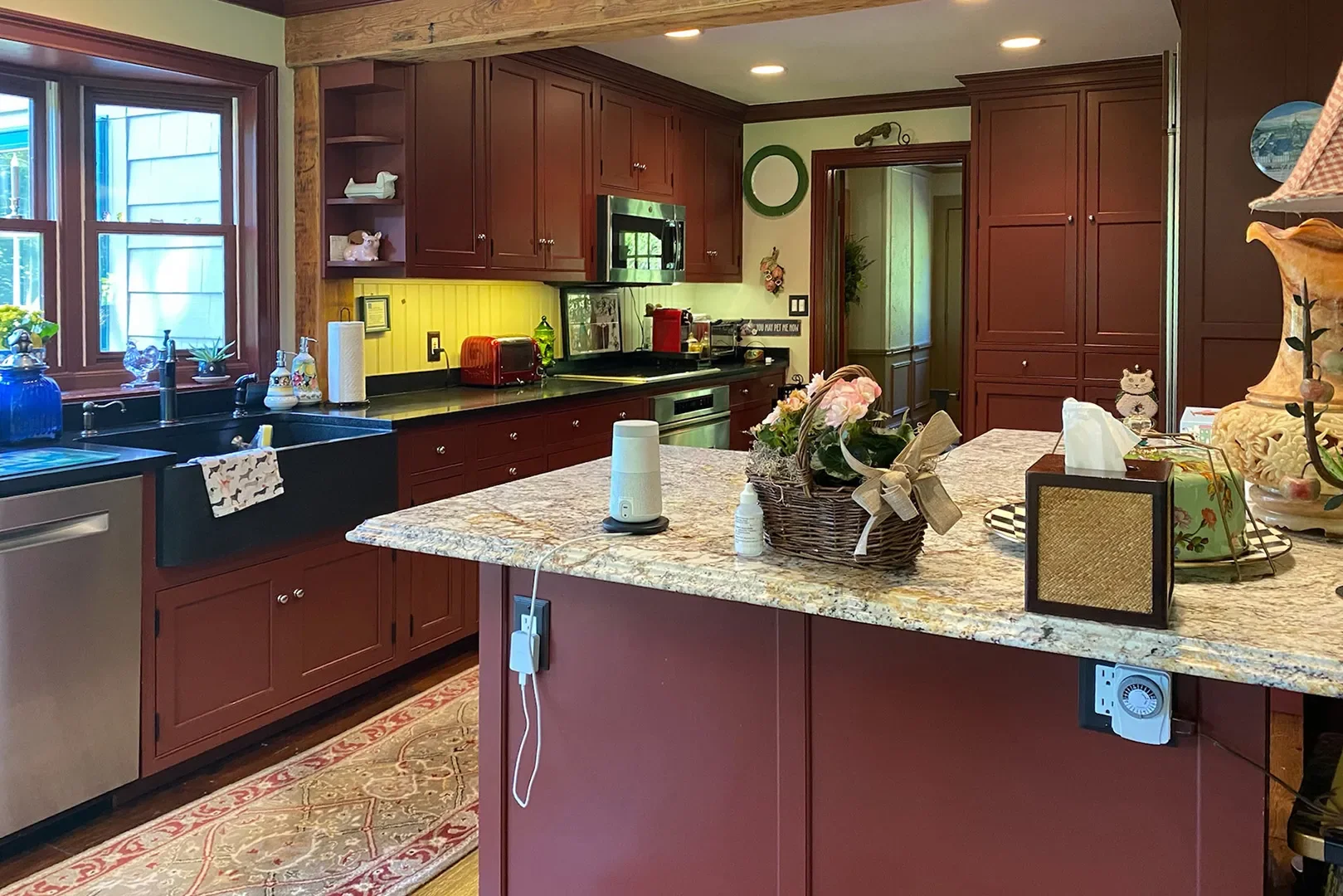
Before & After: Curated Auction Finds and Timeworn Brass Give This Connecticut Kitchen Its Soul
FM-5981
FM-5981 · Other
Before & After: Curated Auction Finds and Timeworn Brass Give This Connecticut Kitchen Its Soul

 FM-4543
 · Other
The Alfresco Kitchen Has Finally Come Into Its Own This Season
FM-4543
FM-4543 · Other
The Alfresco Kitchen Has Finally Come Into Its Own This Season
 FM-8498
 · Other
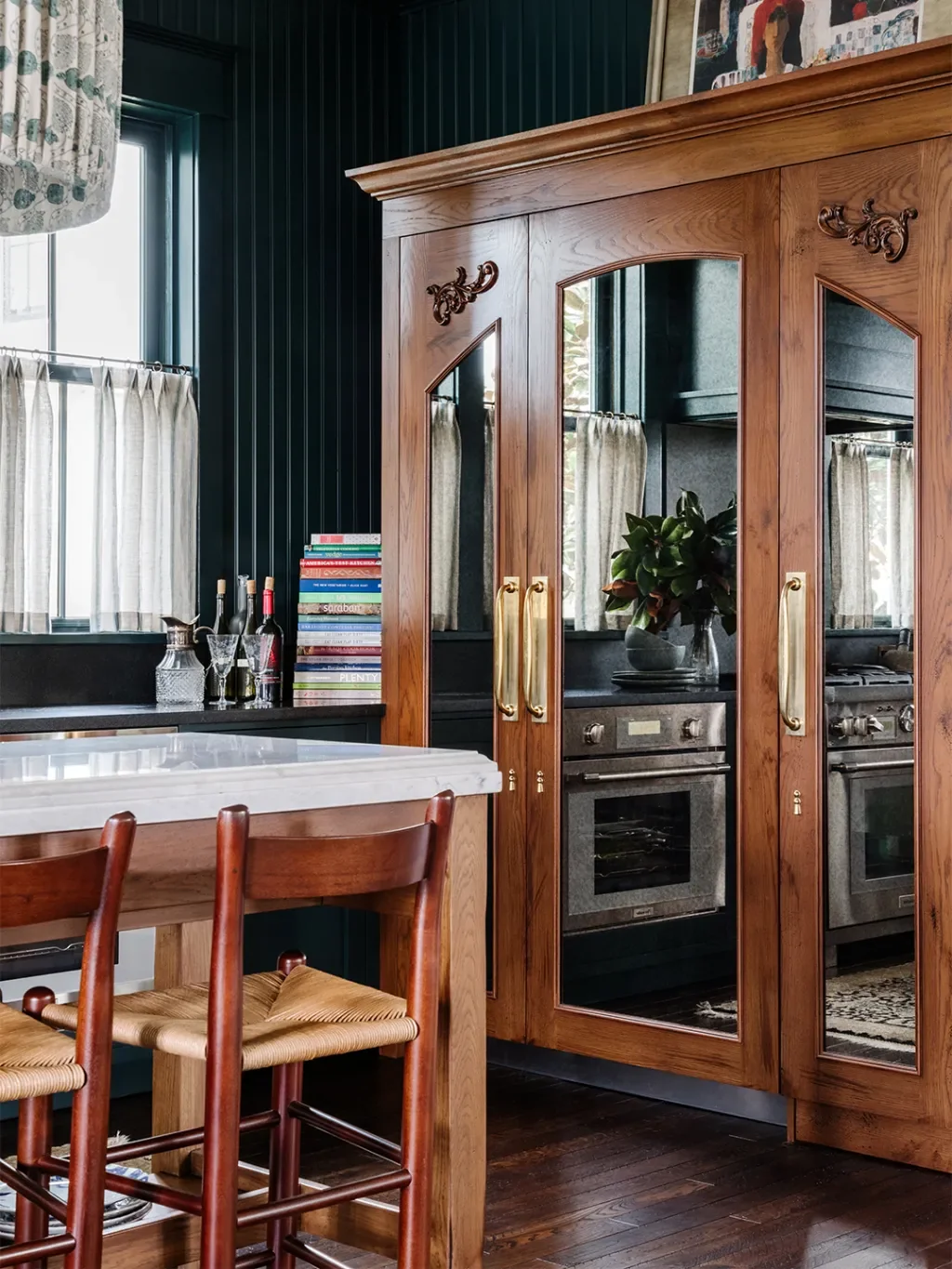
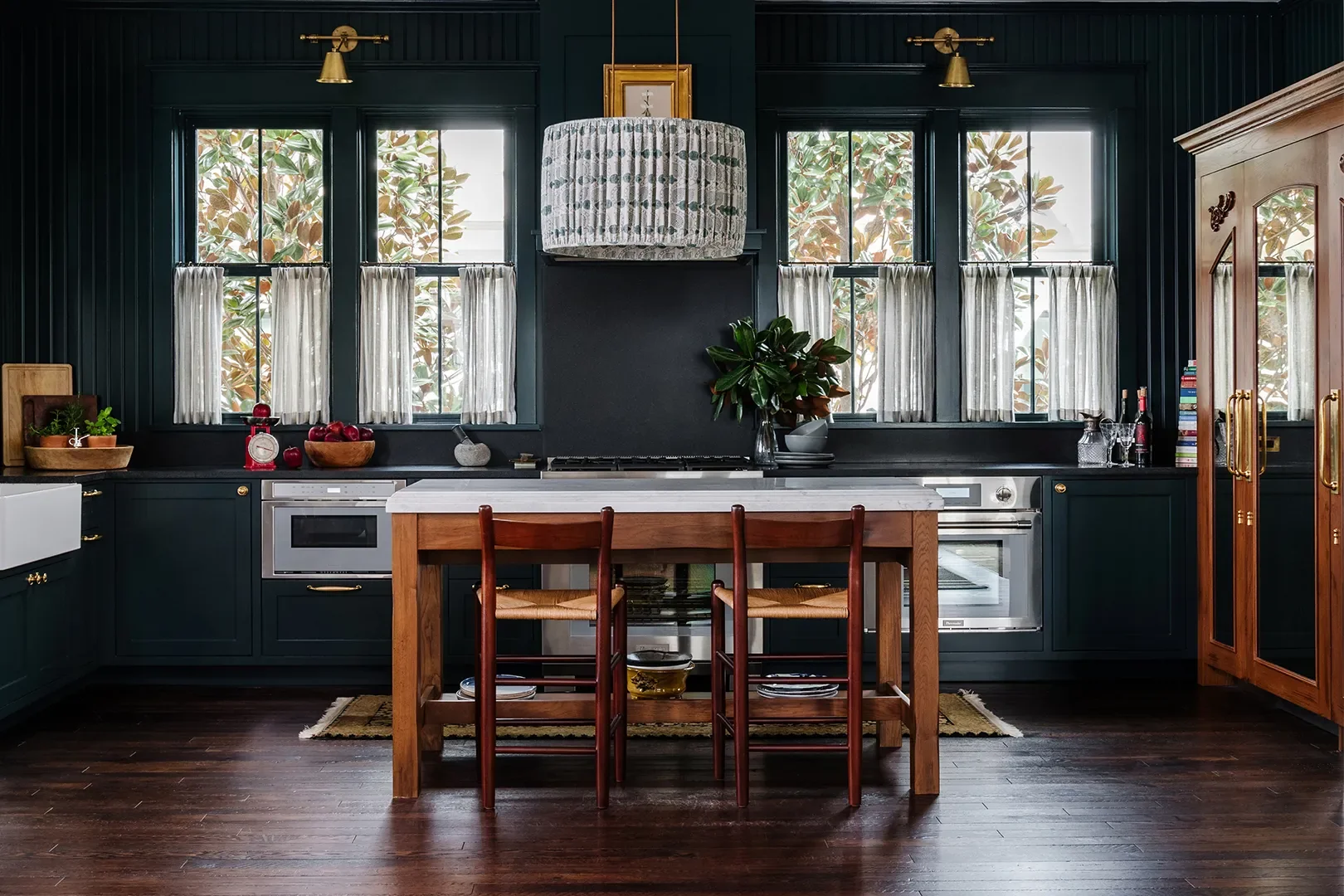
Inside a Florida Kitchen Whose Disguised Armoire Conceals a Refrigerator and a Hidden Pantry Passage
FM-8498
FM-8498 · Other
Inside a Florida Kitchen Whose Disguised Armoire Conceals a Refrigerator and a Hidden Pantry Passage